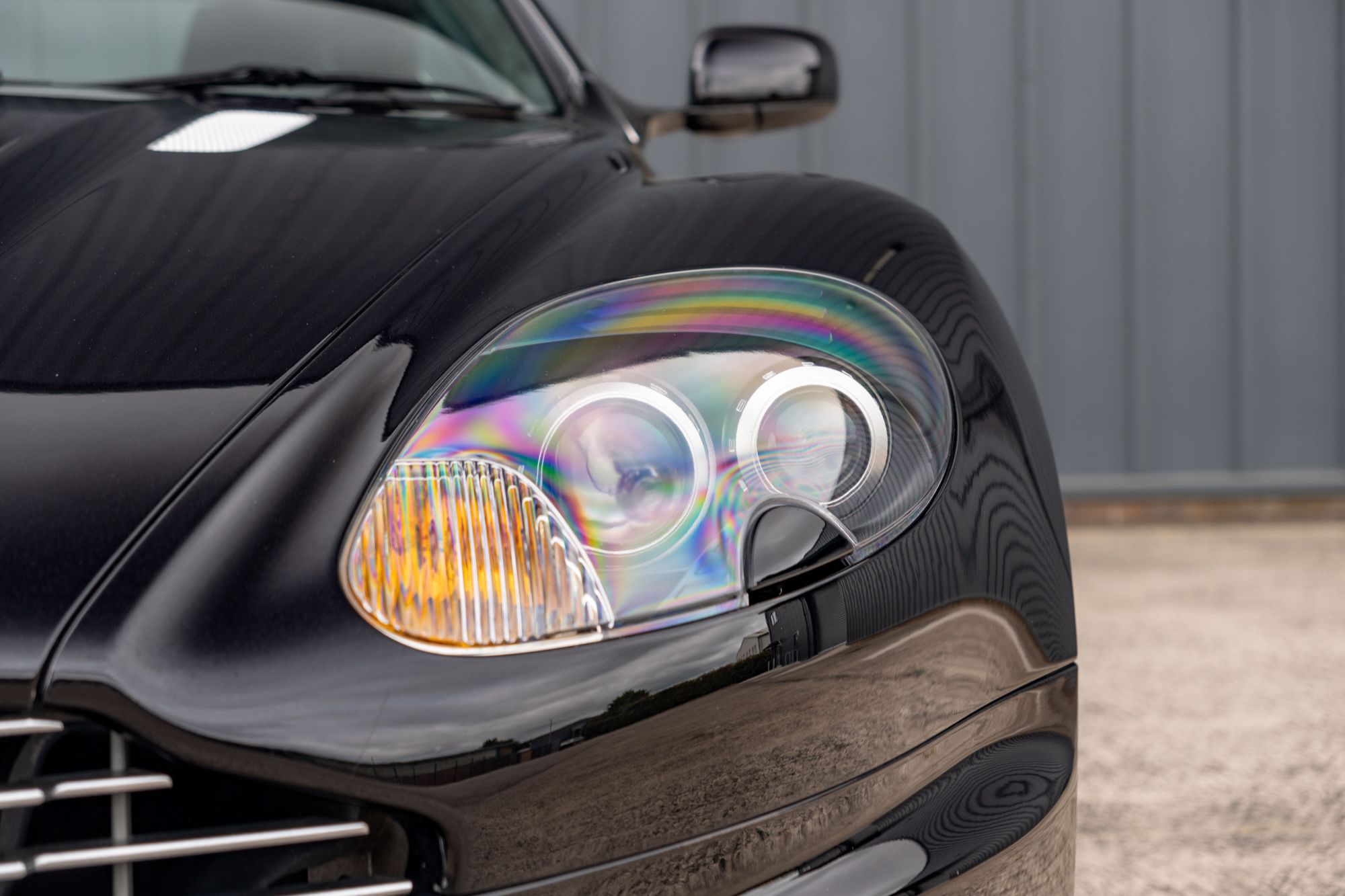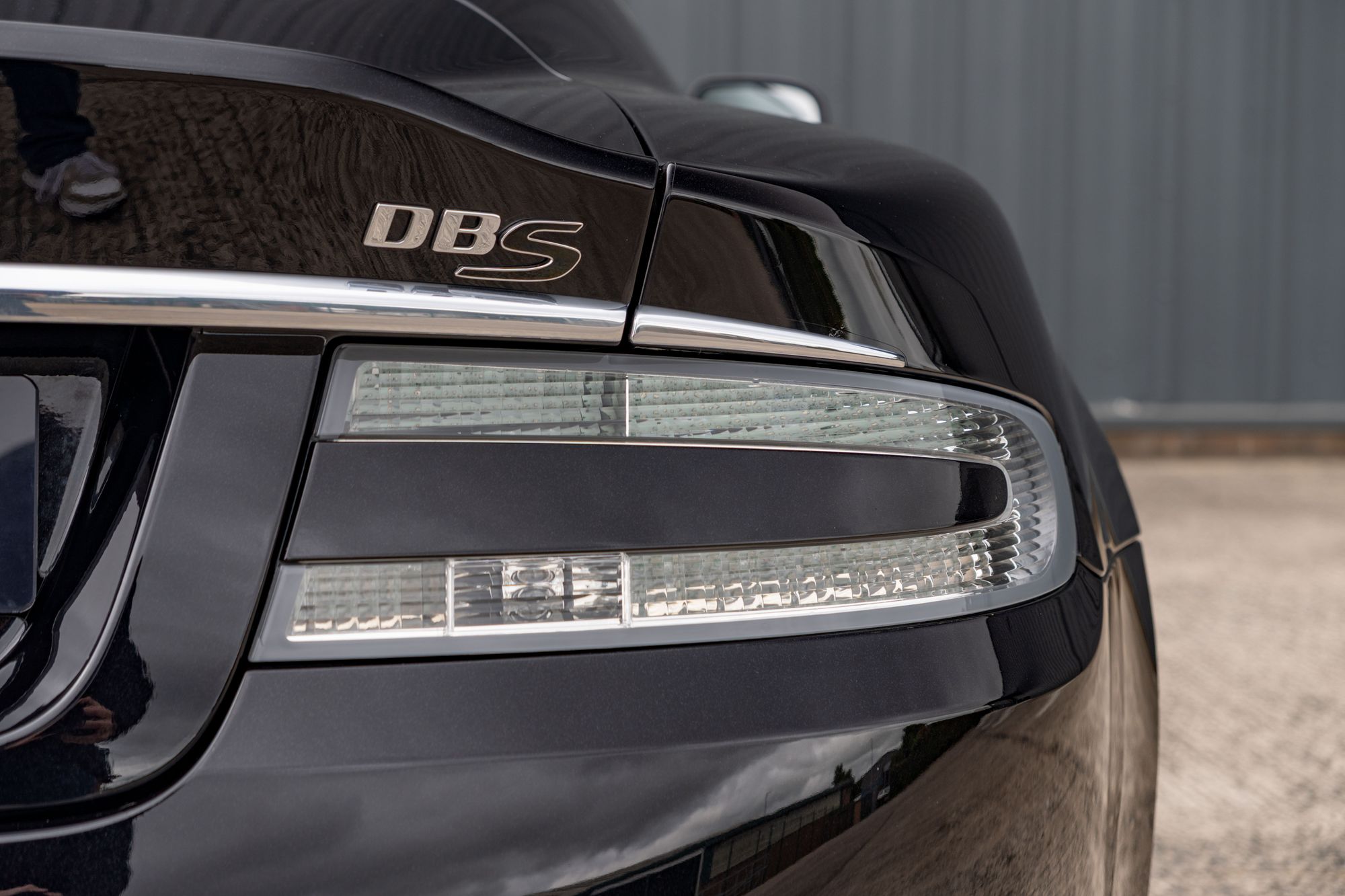

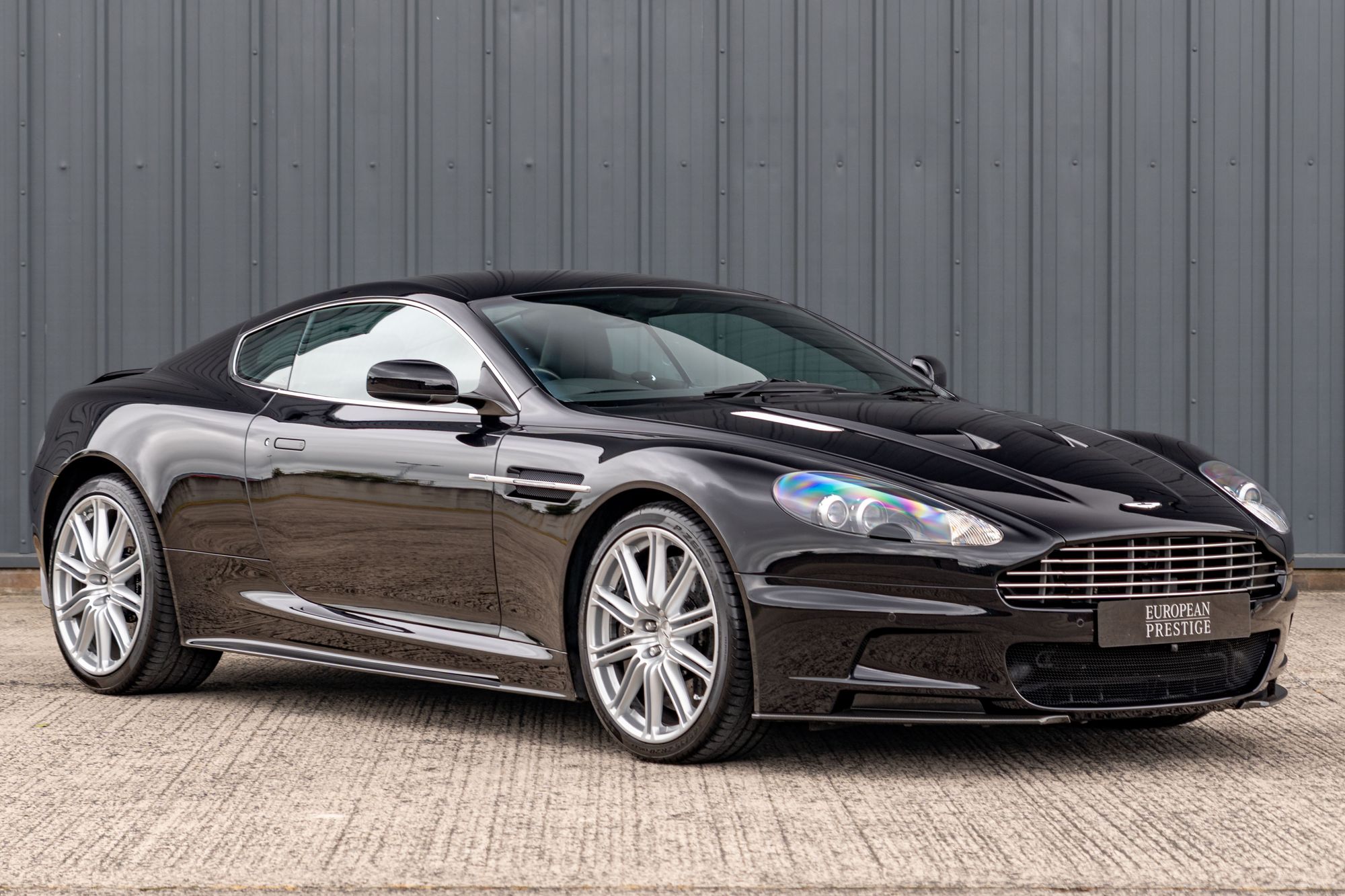
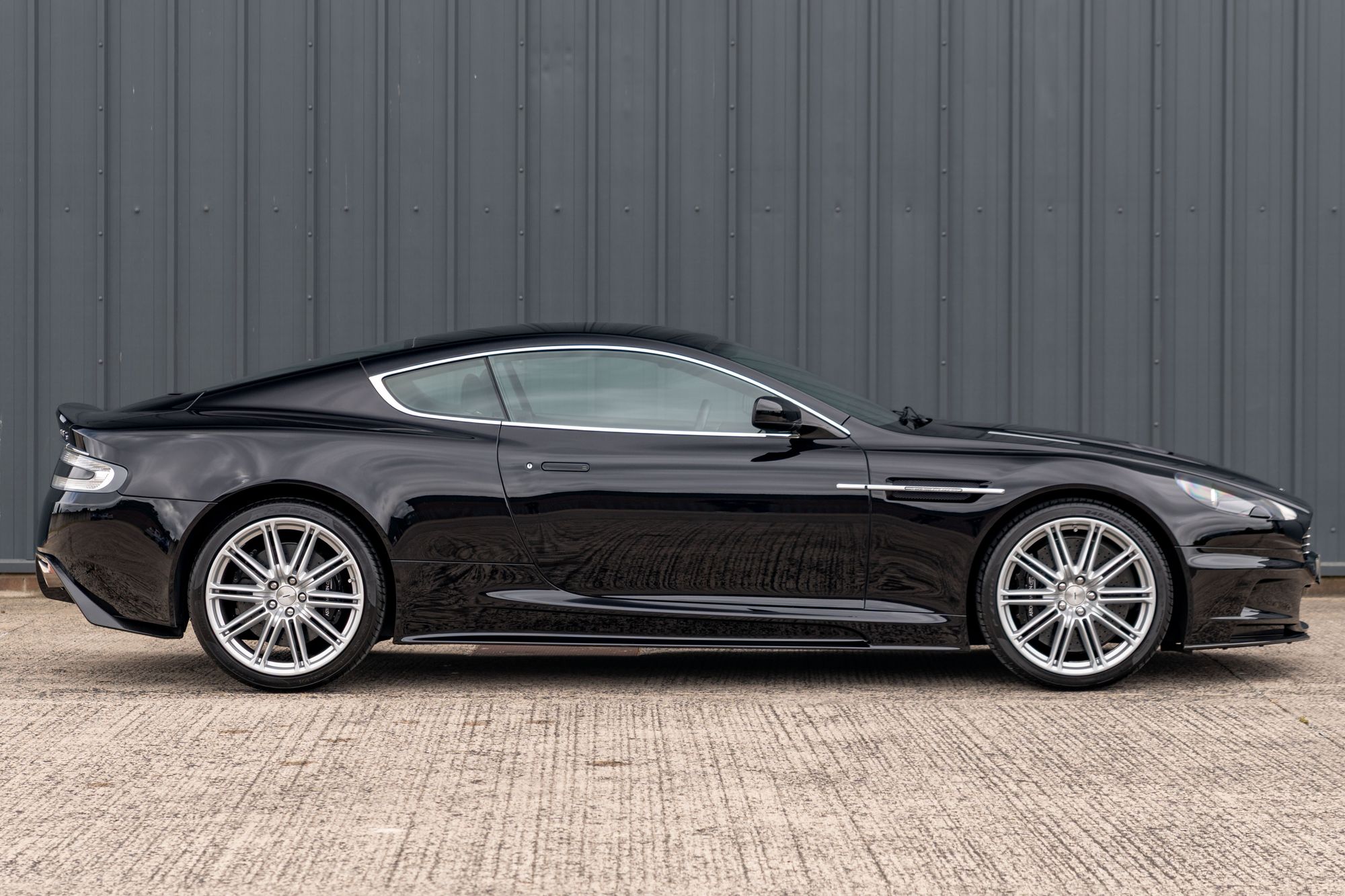
2009 Aston Martin DBS
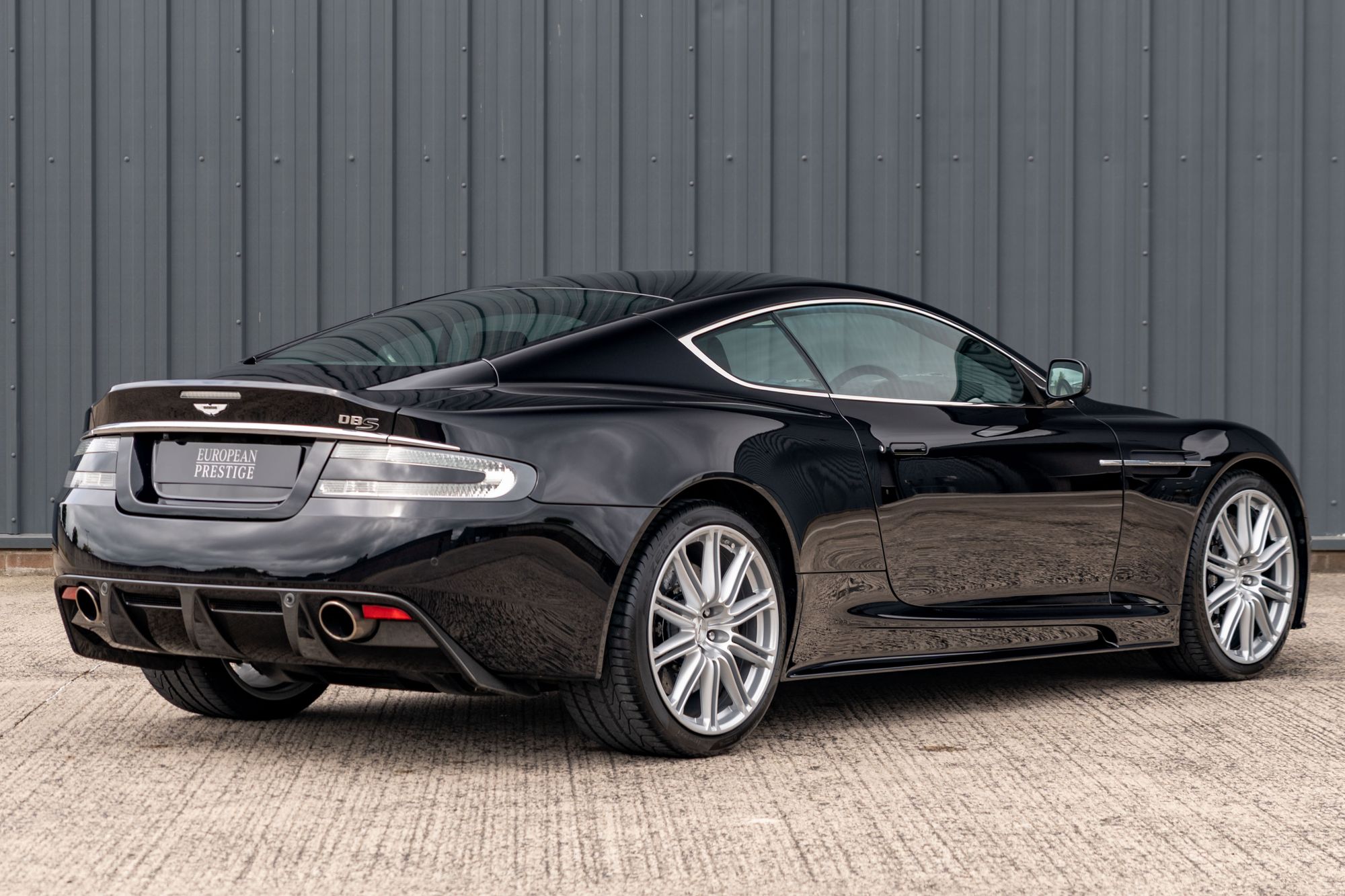
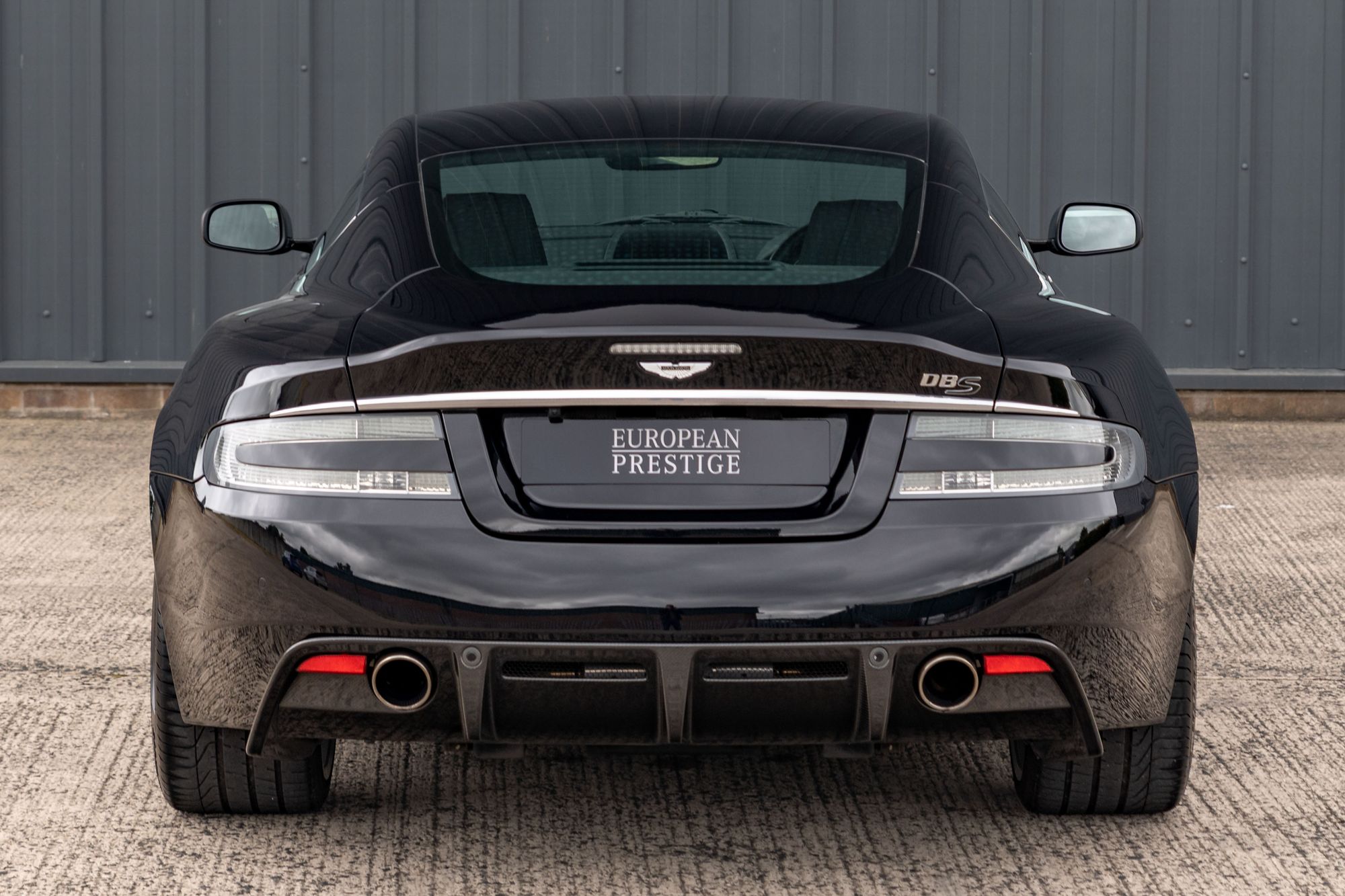
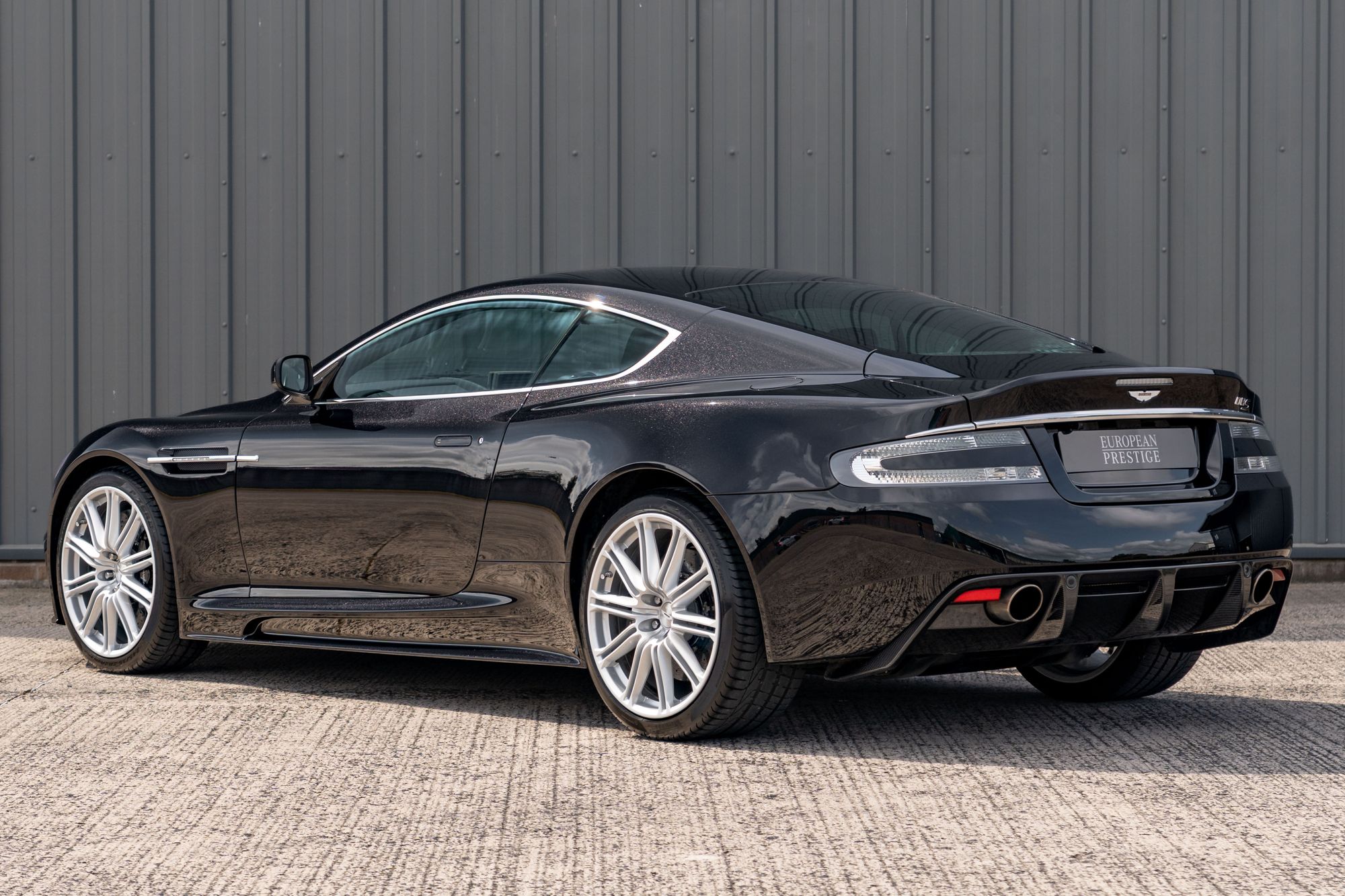
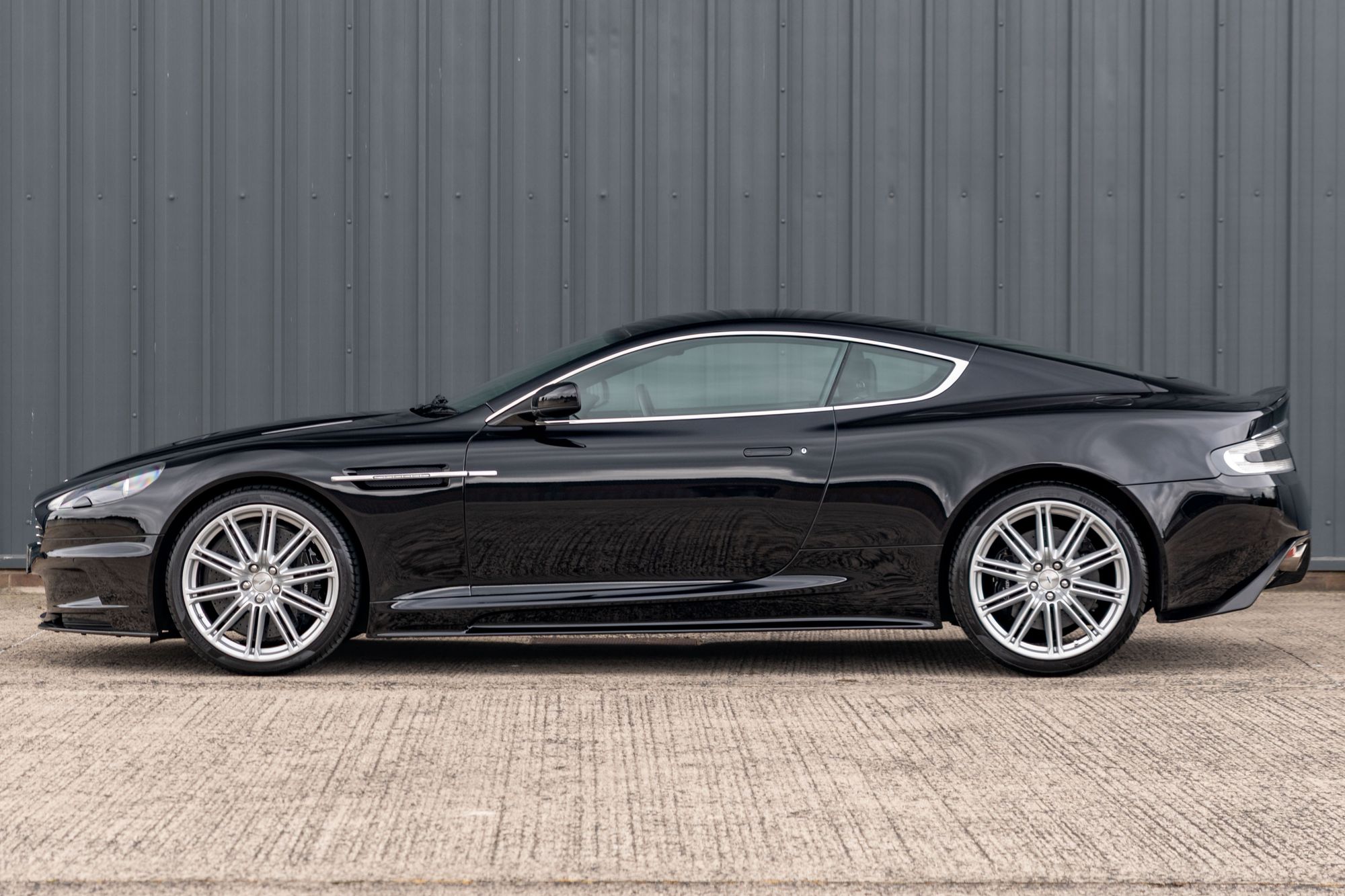
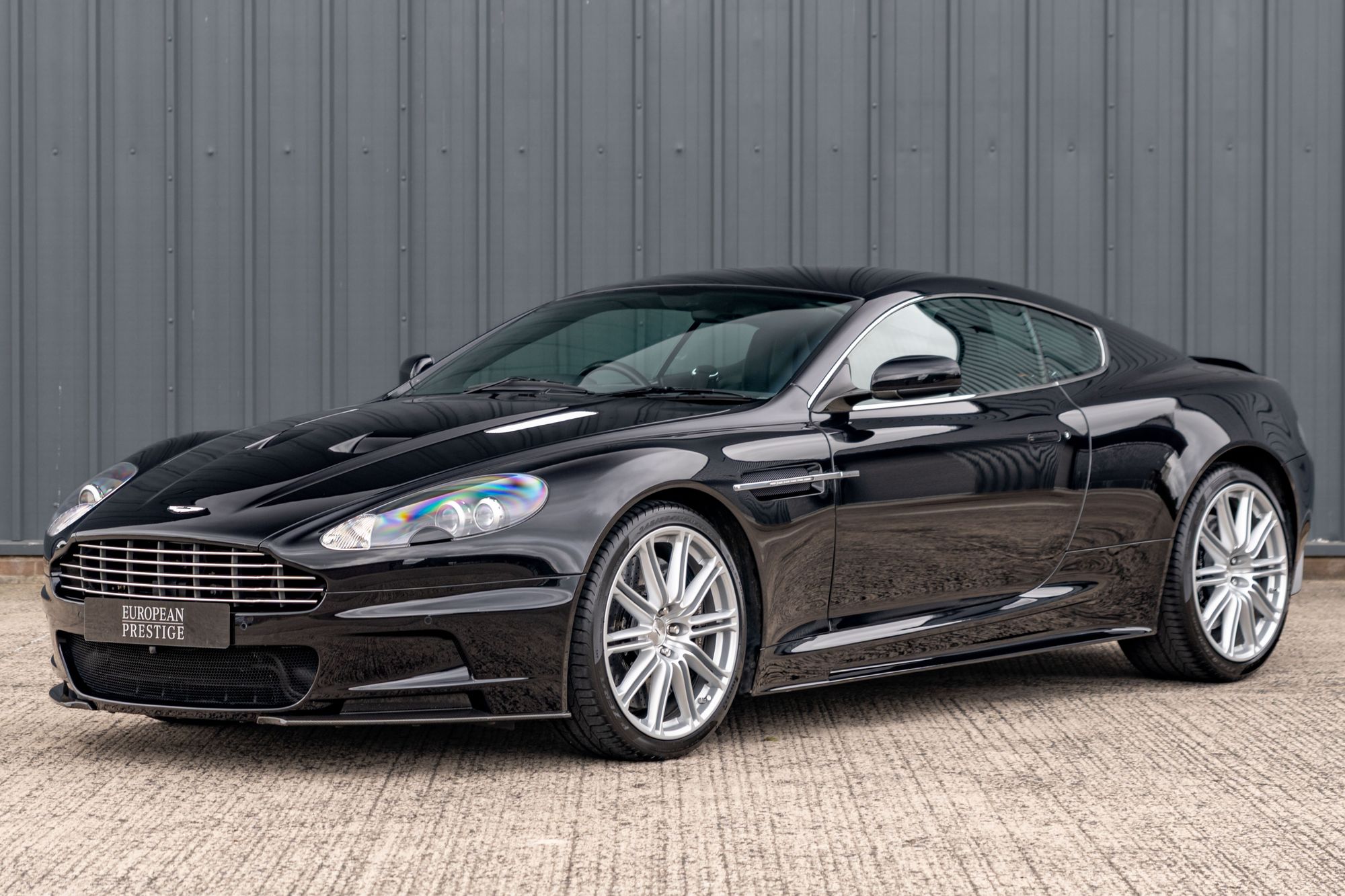

Key Points: Paint Protection Film (PPF) applied to Whole car, Larini Exhaust, Aston Martin Premium Audio
The Aston Martin DBS occupies a distinctive position within the marque's modern history, combining the design language of the DB9 with a more focused chassis, increased performance and extensive use of lightweight materials. Introduced as Aston Martin's flagship sports car, the DBS was developed as a more performance-oriented counterpart to the DB9 while retaining the refinement and usability associated with the marque.
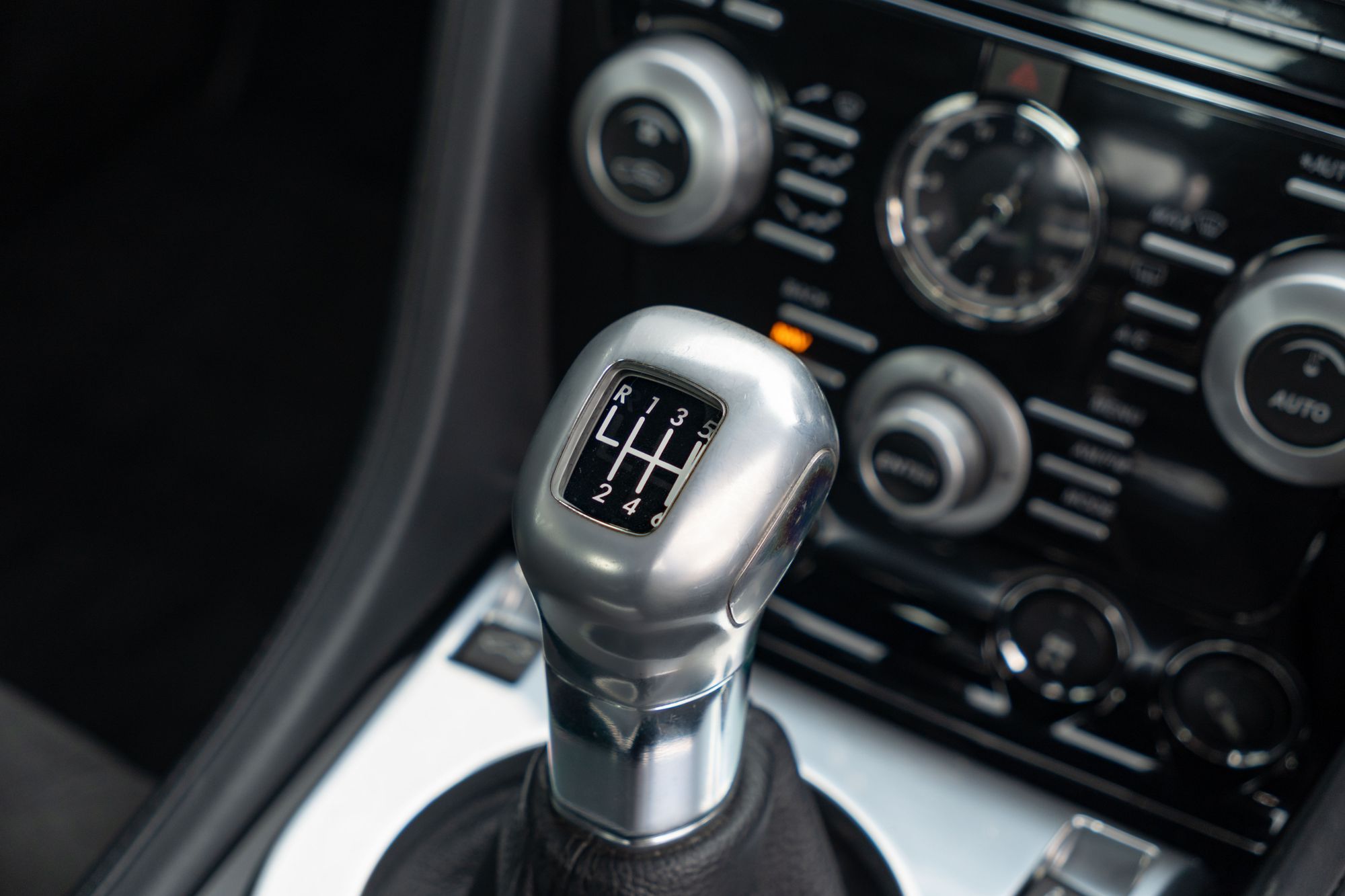
At its heart is a naturally aspirated 5.9-litre V12, producing 510 bhp and driving the rear wheels through a six-speed manual transmission. The DBS was capable of 0-62 mph in 4.3 seconds and a top speed of 191 mph, placing it firmly within the high-performance sports car sector while retaining the character of a naturally aspirated grand tourer.
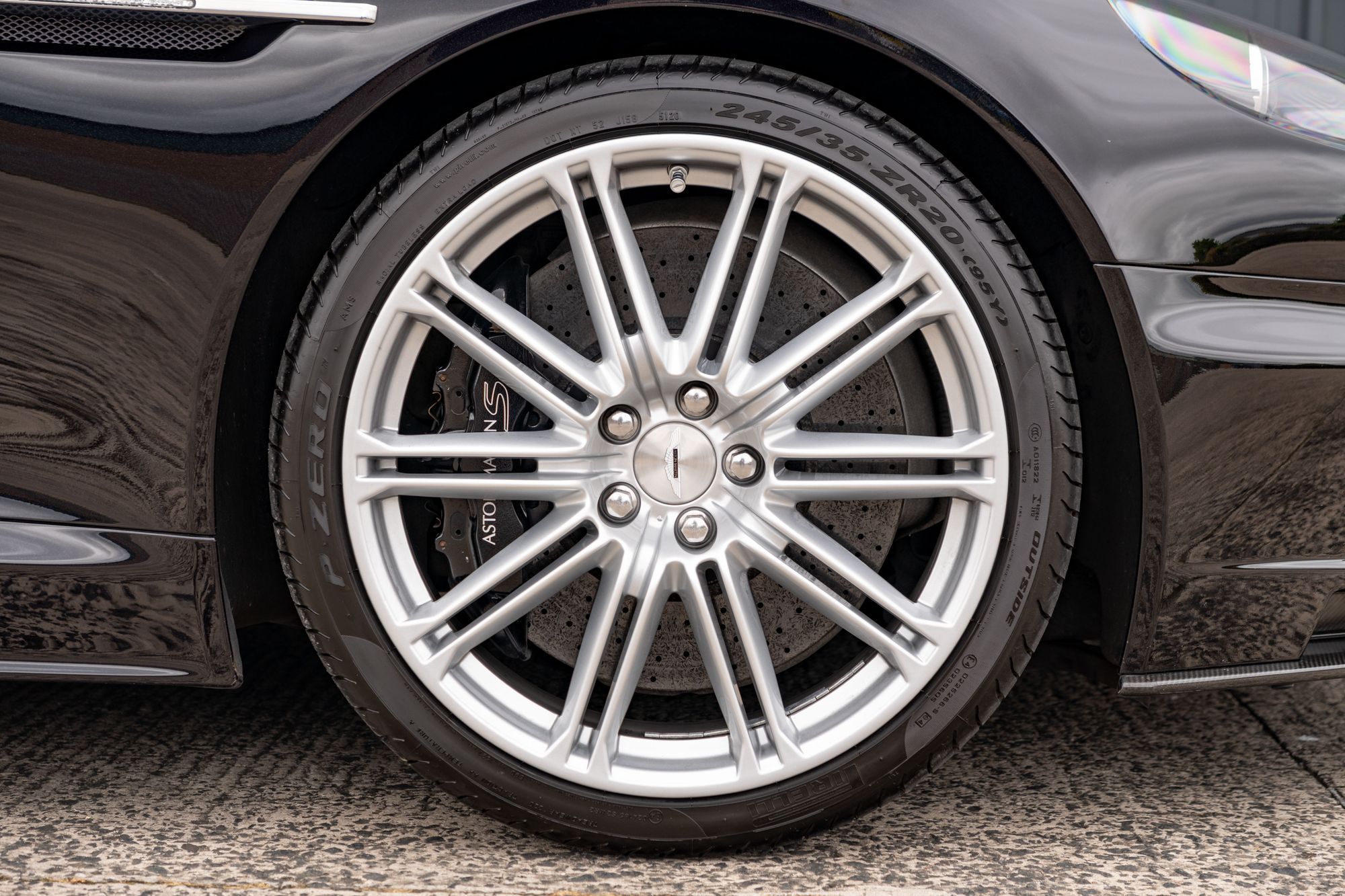
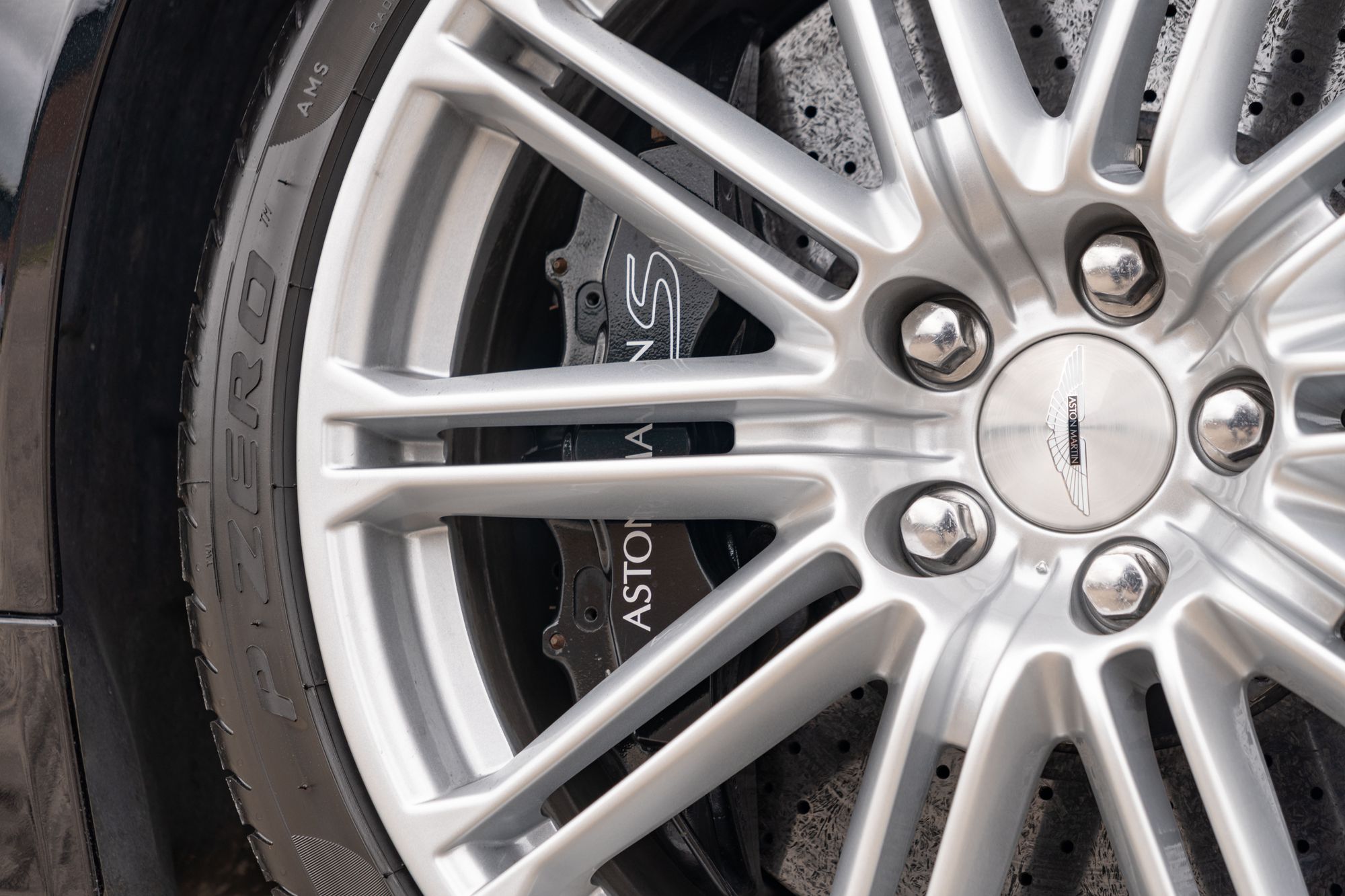
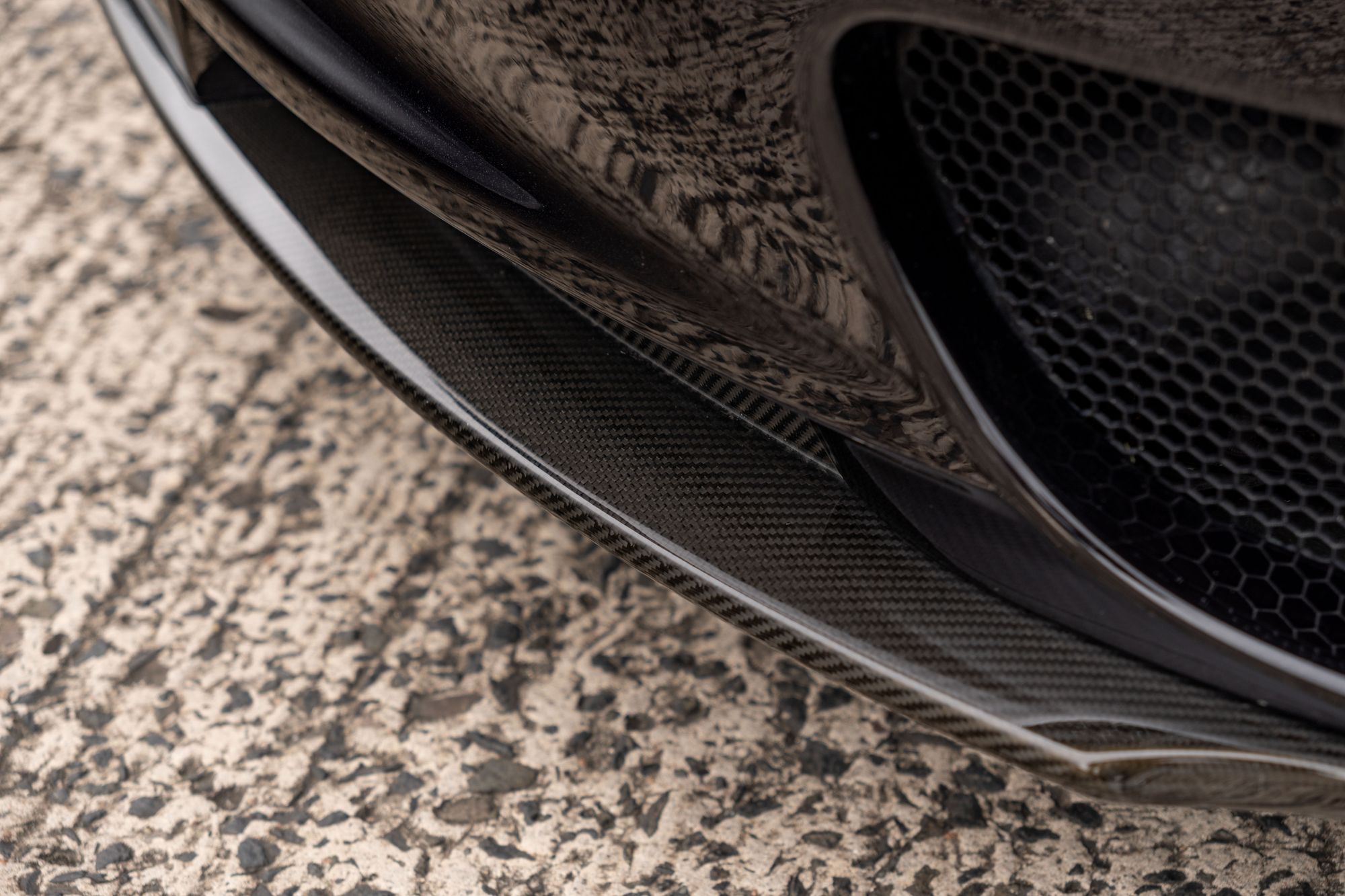
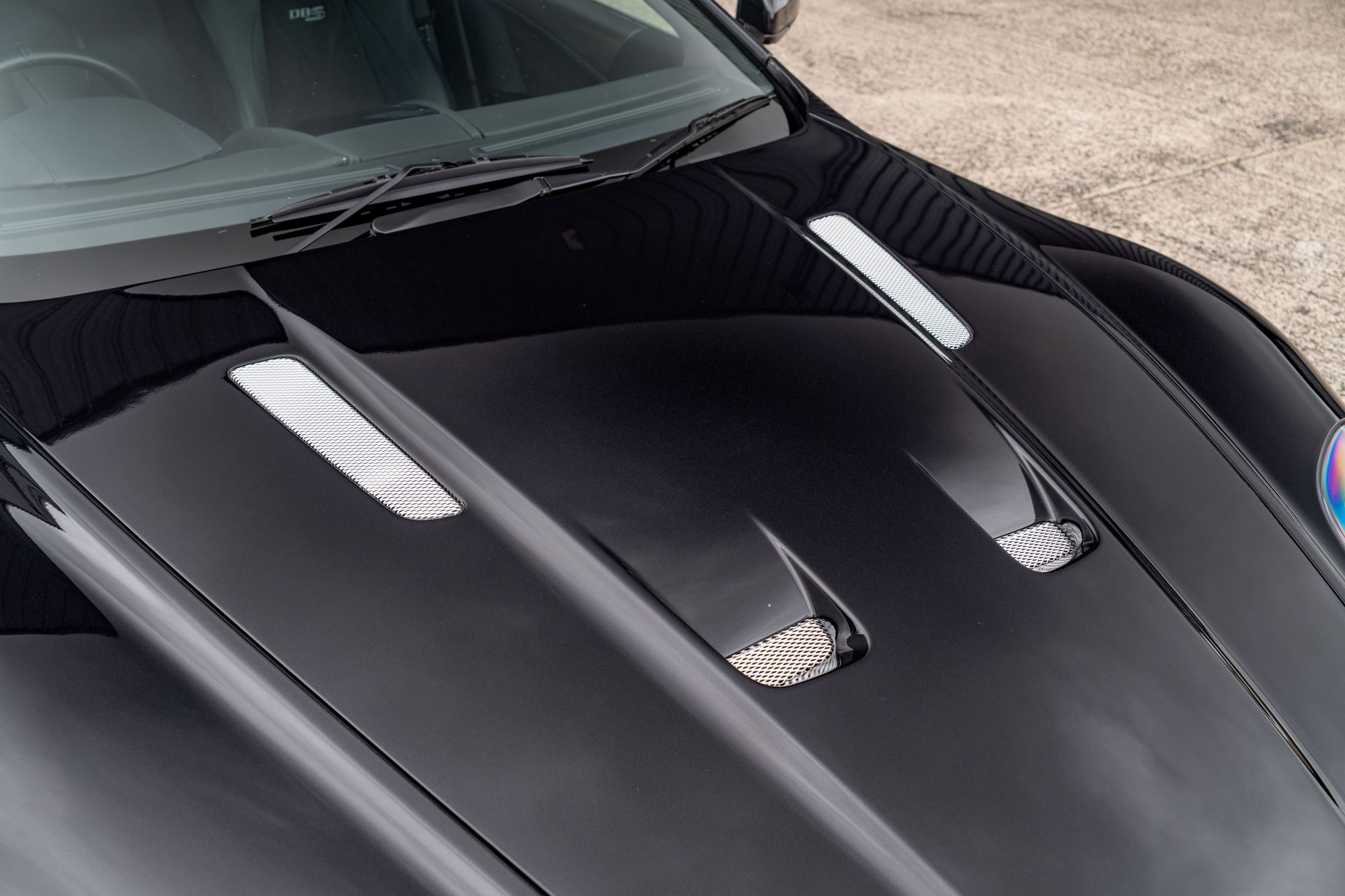
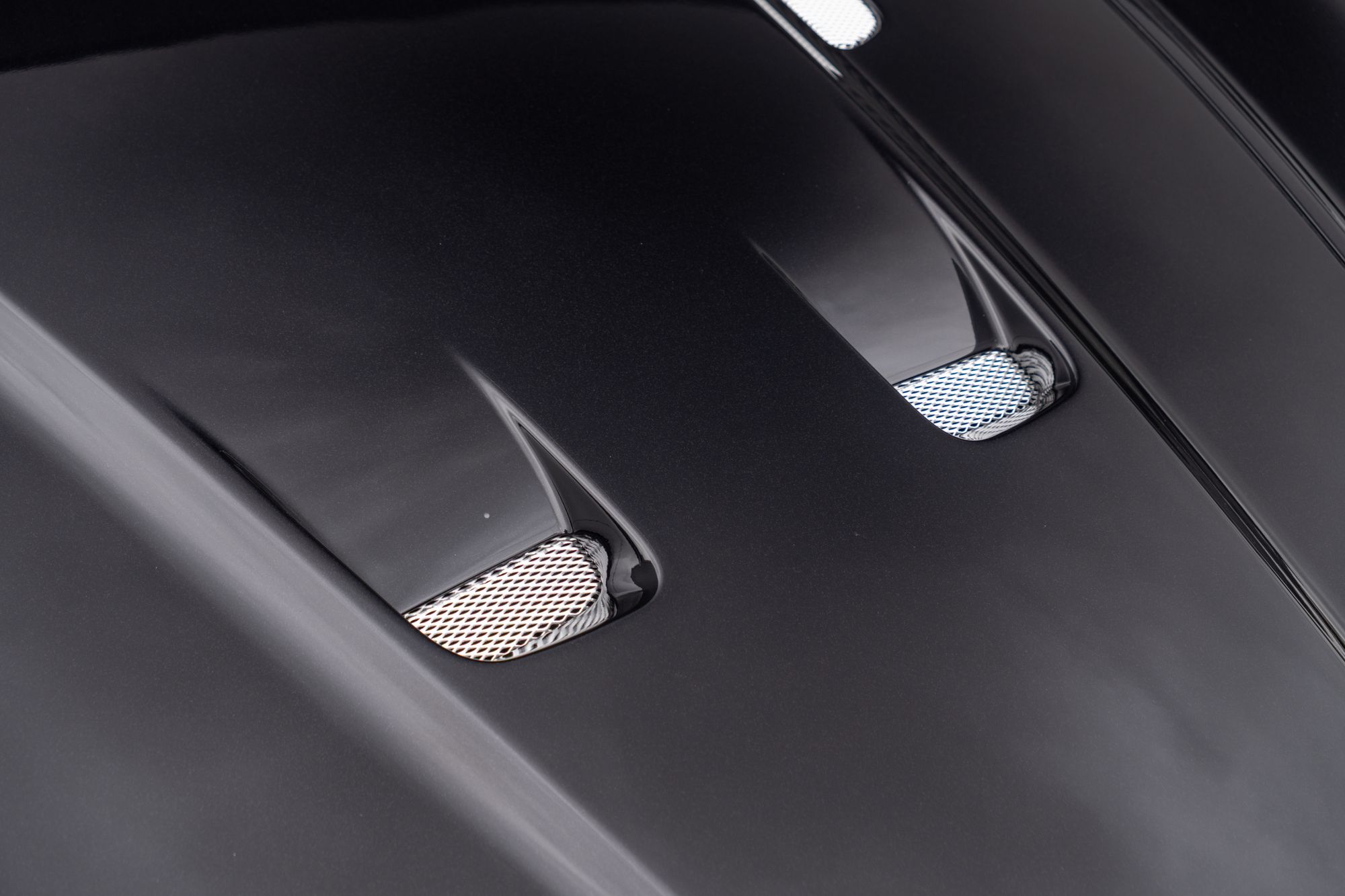
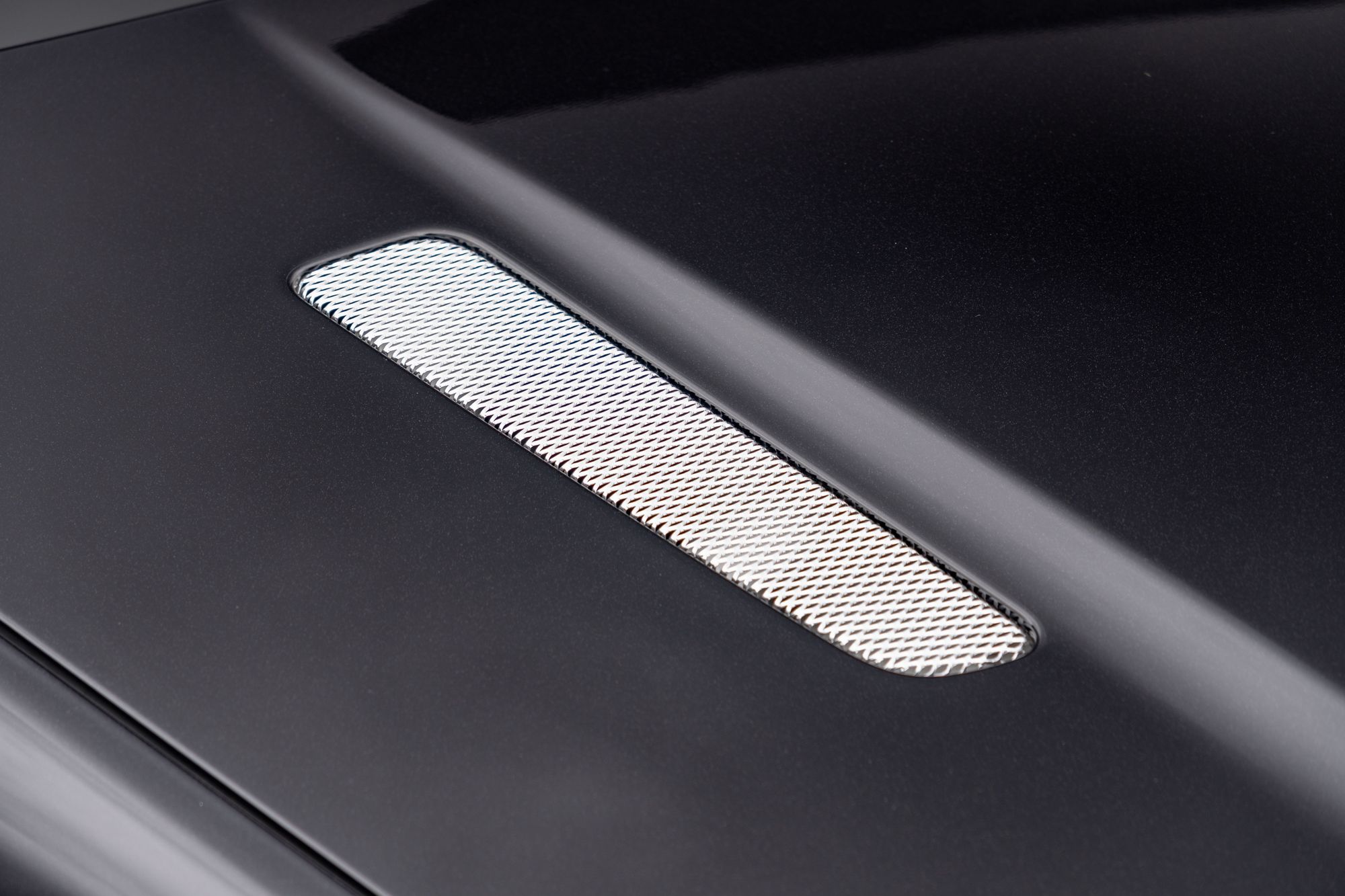
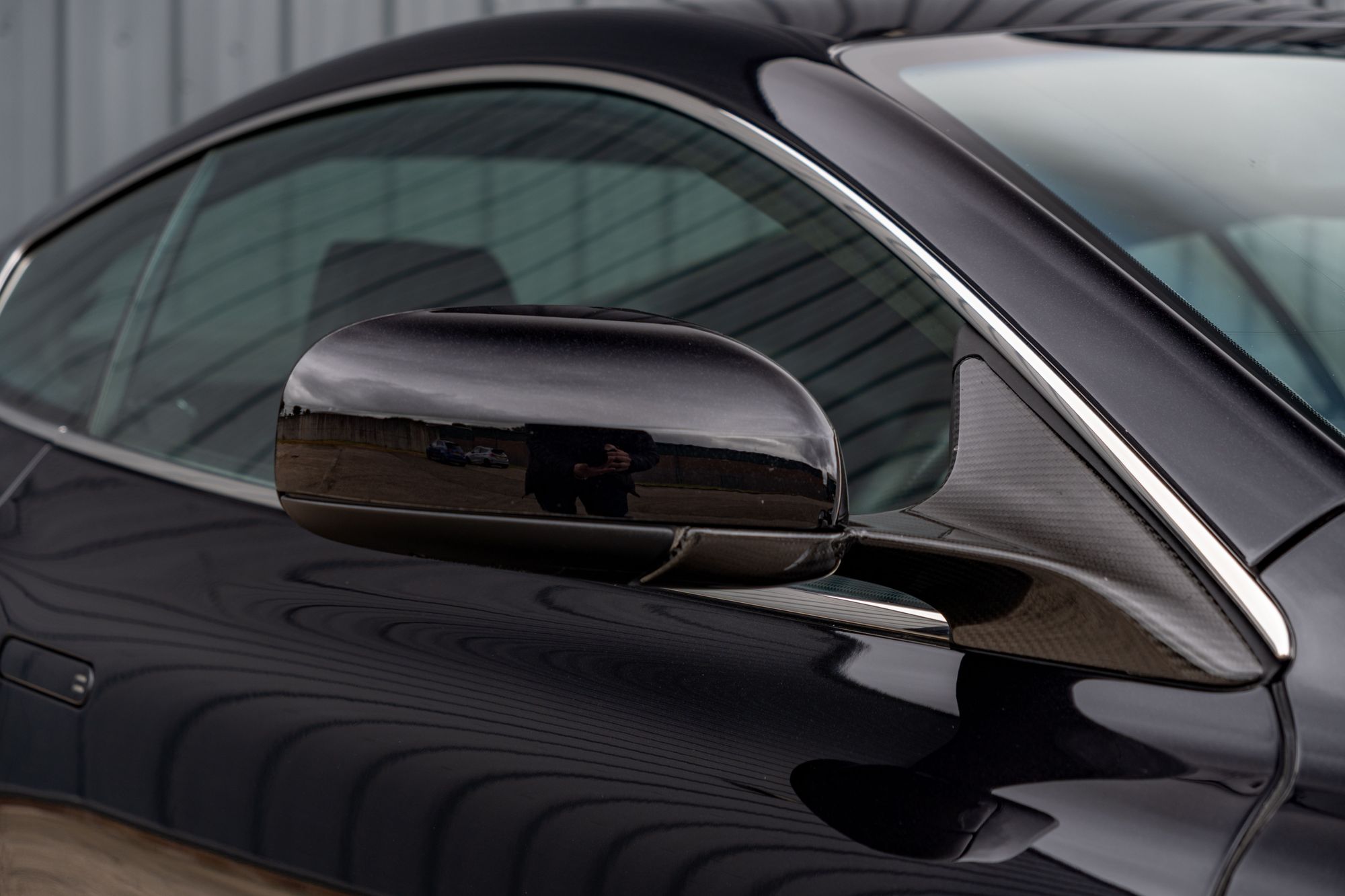
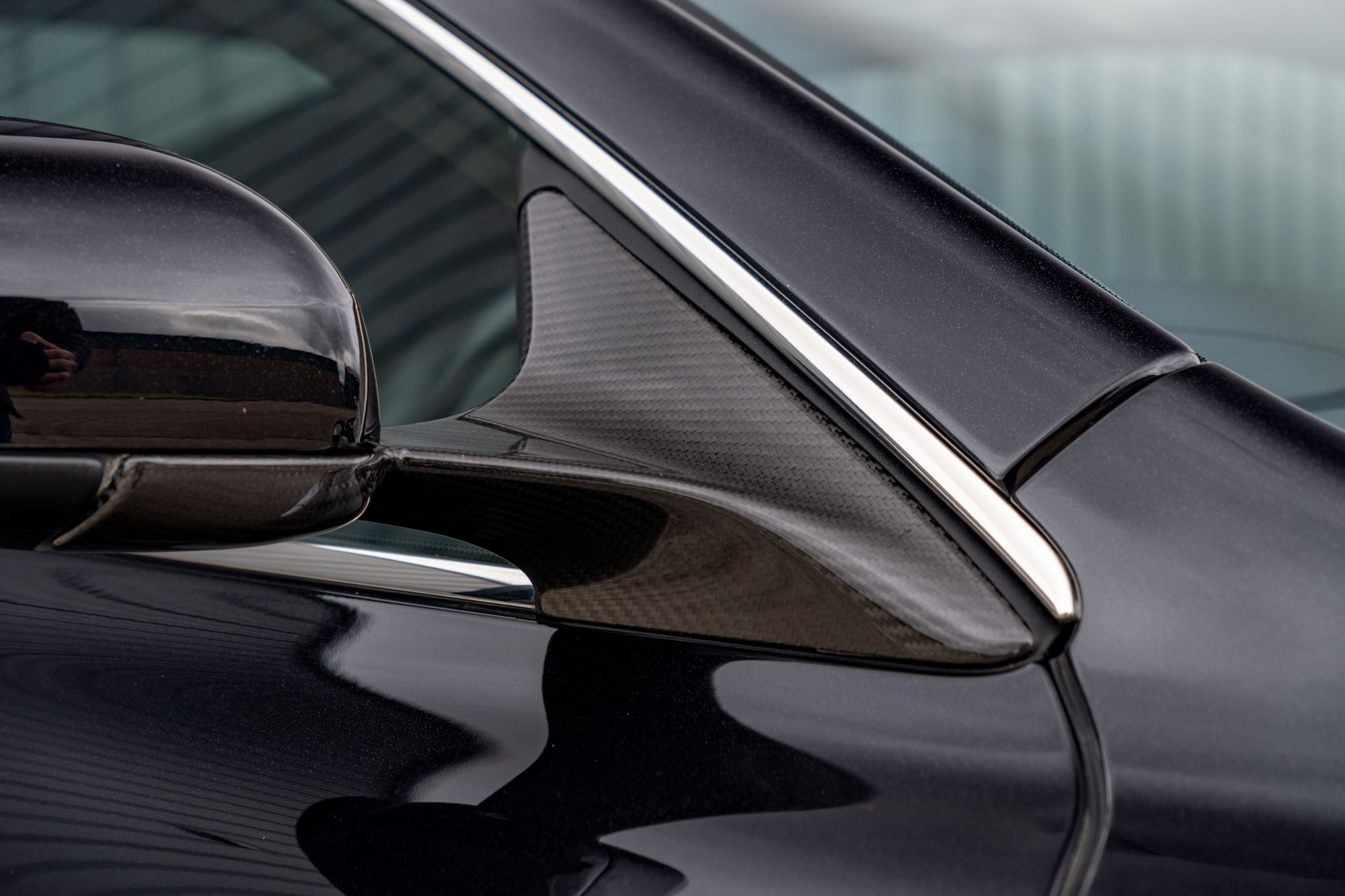
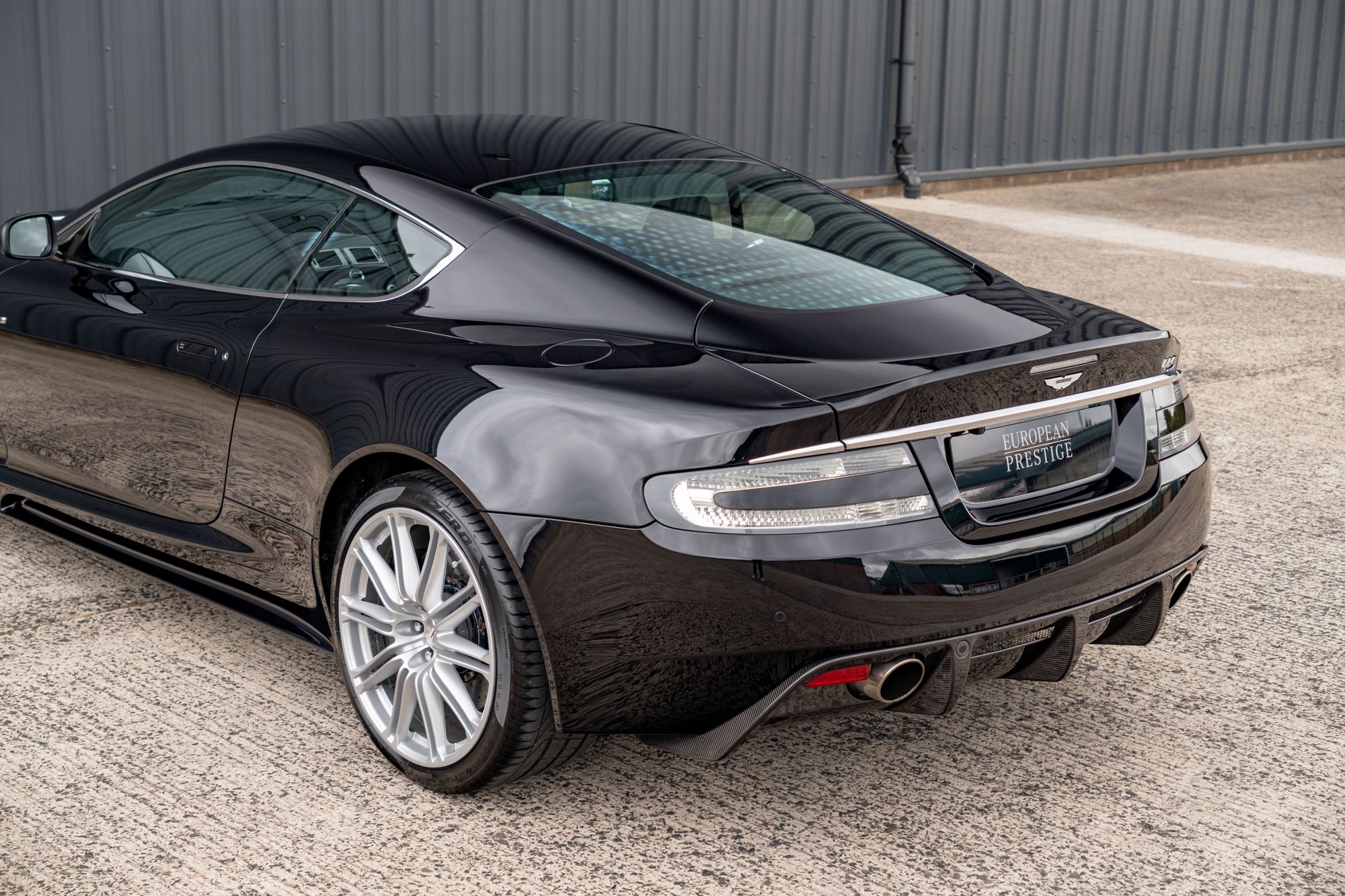
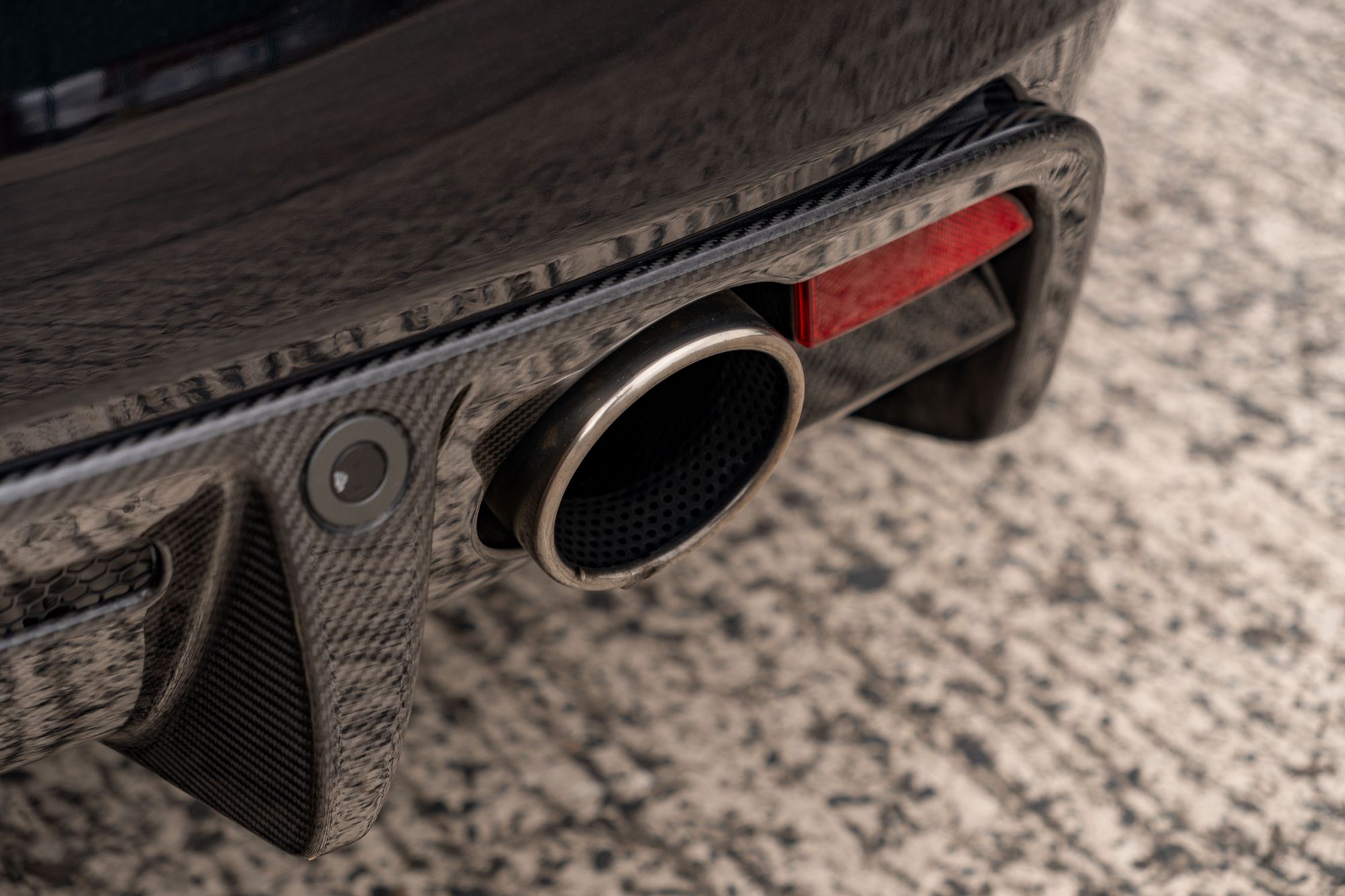
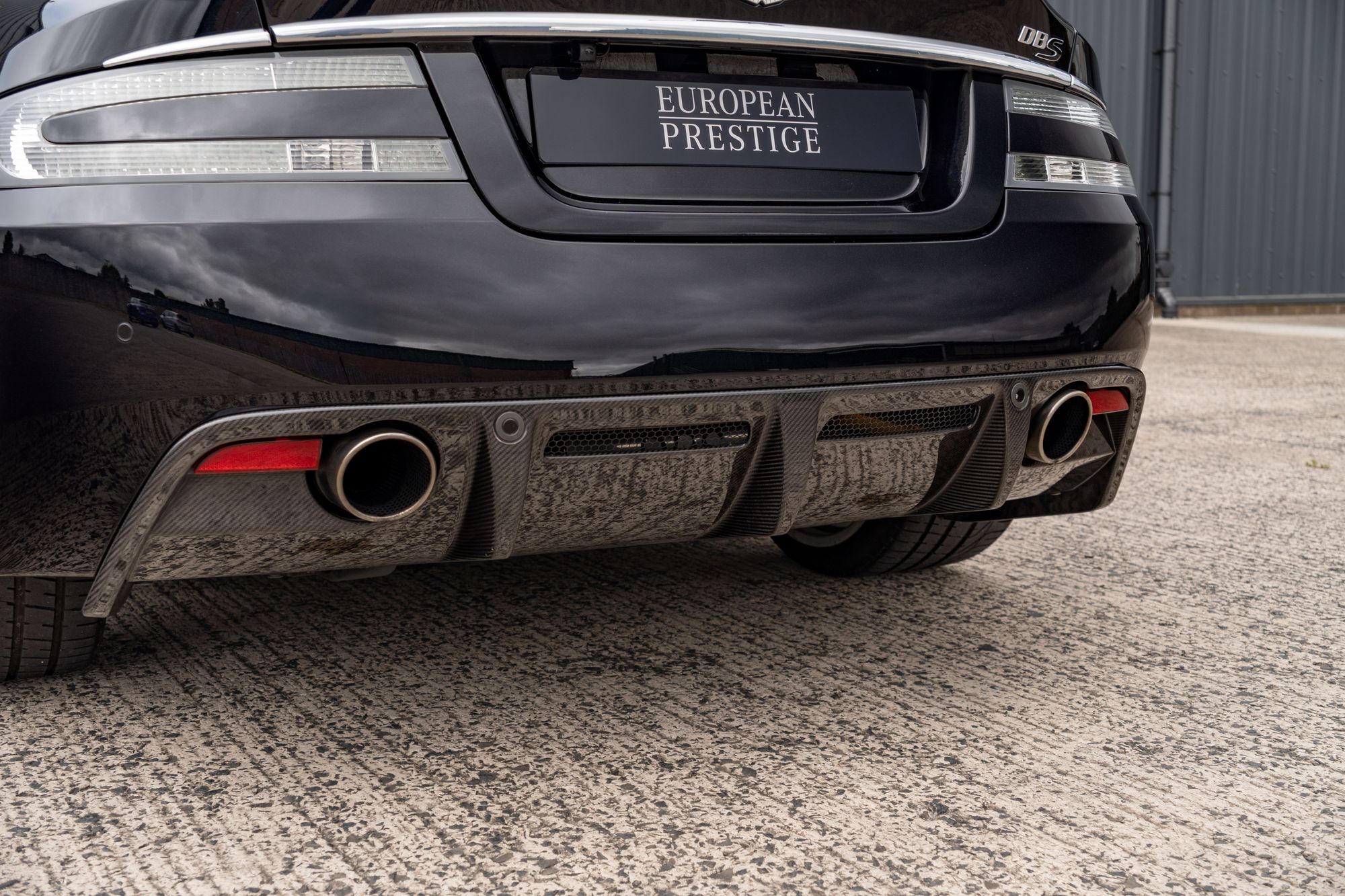
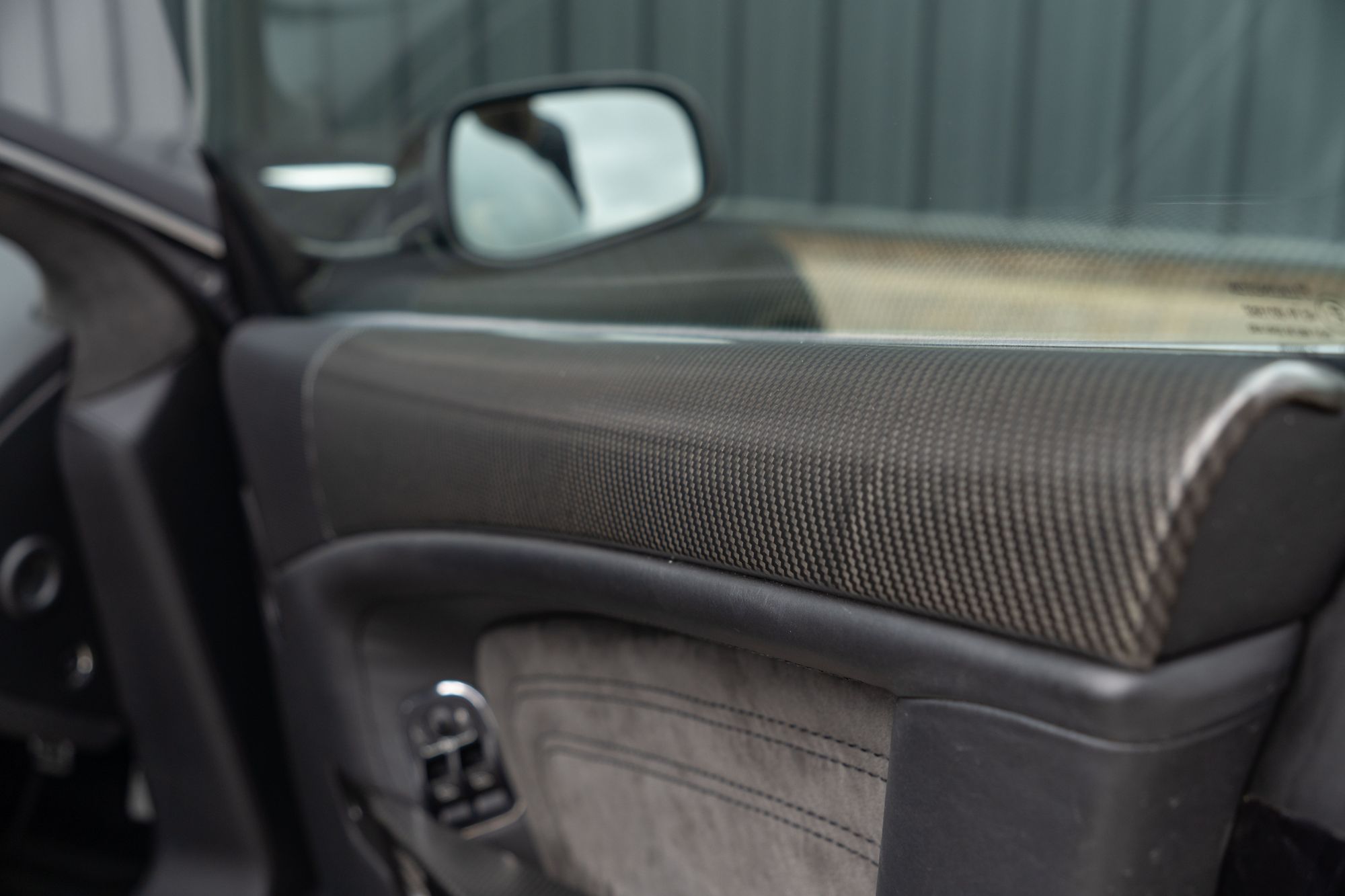
A key part of the DBS's development was its extensive use of lightweight materials. Carbon fibre was employed for the bonnet, front wings, boot lid and other components, while carbon-ceramic brakes were fitted as standard. The suspension and steering systems were also developed specifically for the DBS, with revised spring and damper rates, a lower ride height and a more focused chassis setup than the DB9.
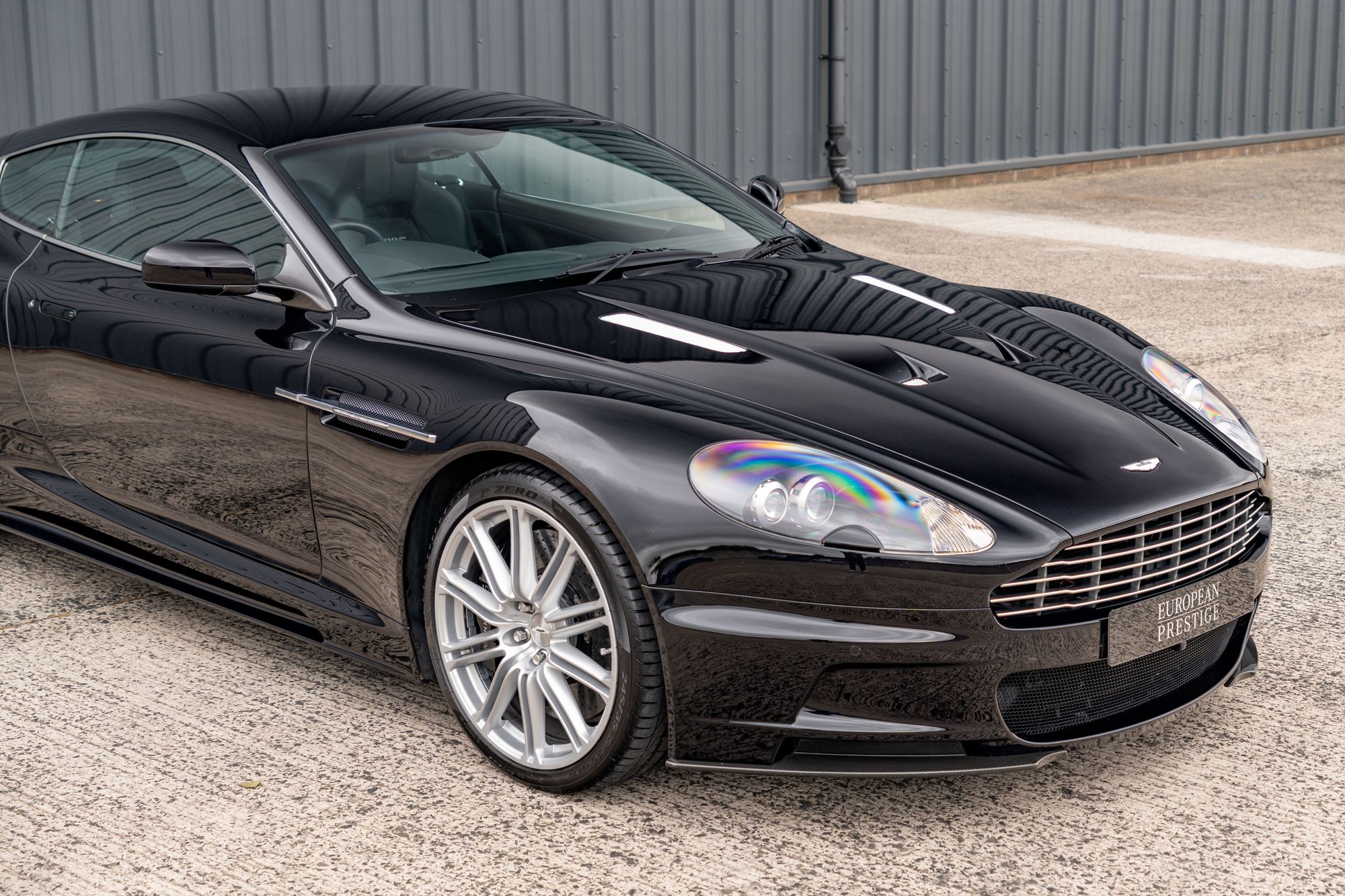
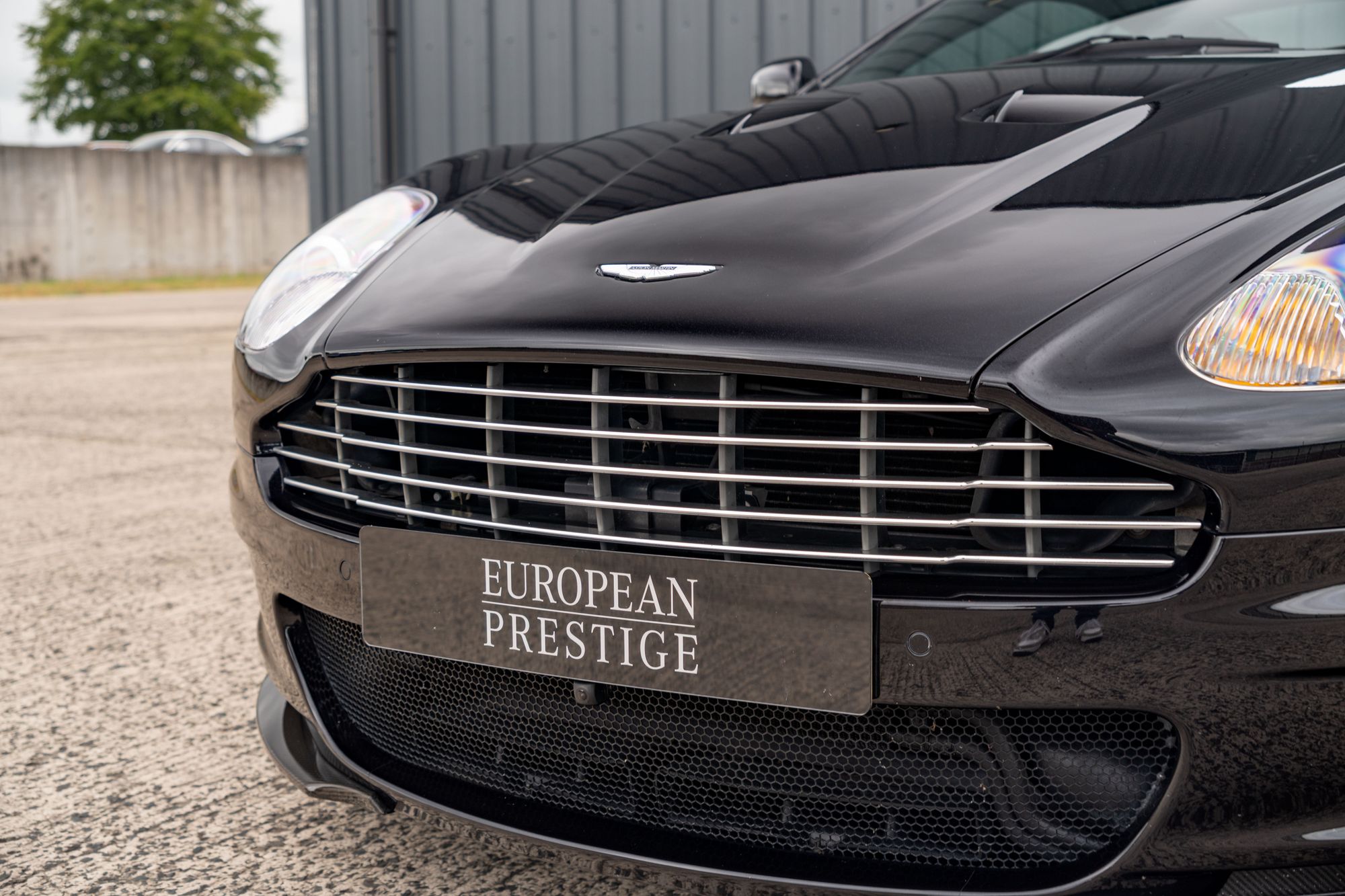
Visually, the DBS introduced a more purposeful interpretation of Aston Martin's established design language. The wider bodywork, larger grille, exposed carbon-fibre detailing and additional aerodynamic elements distinguish it from the DB9, while retaining the proportions and character that defined Aston Martin's contemporary range. The result is a design that remains recognisably Aston Martin while reflecting the DBS's more performance-focused role.
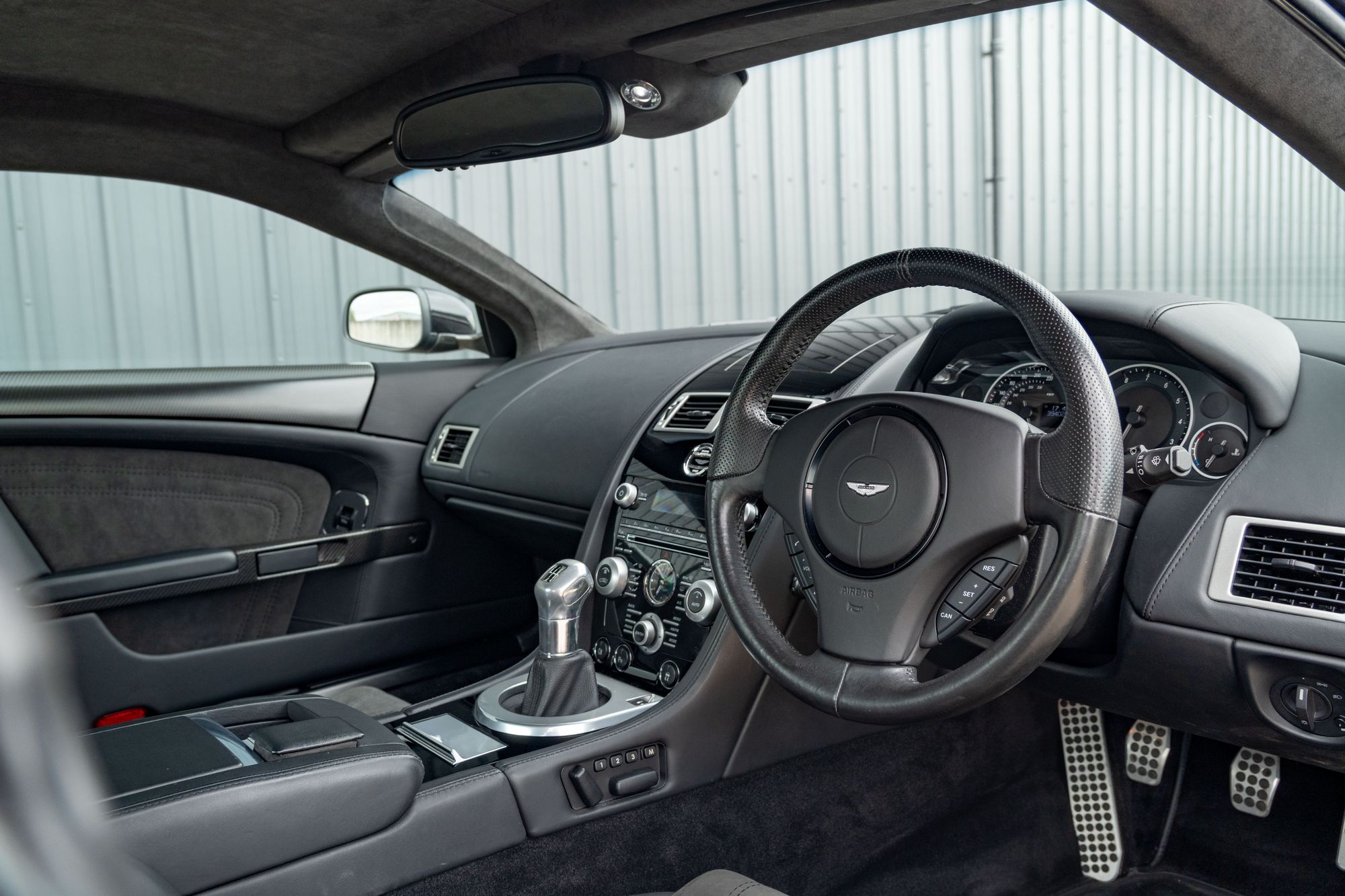
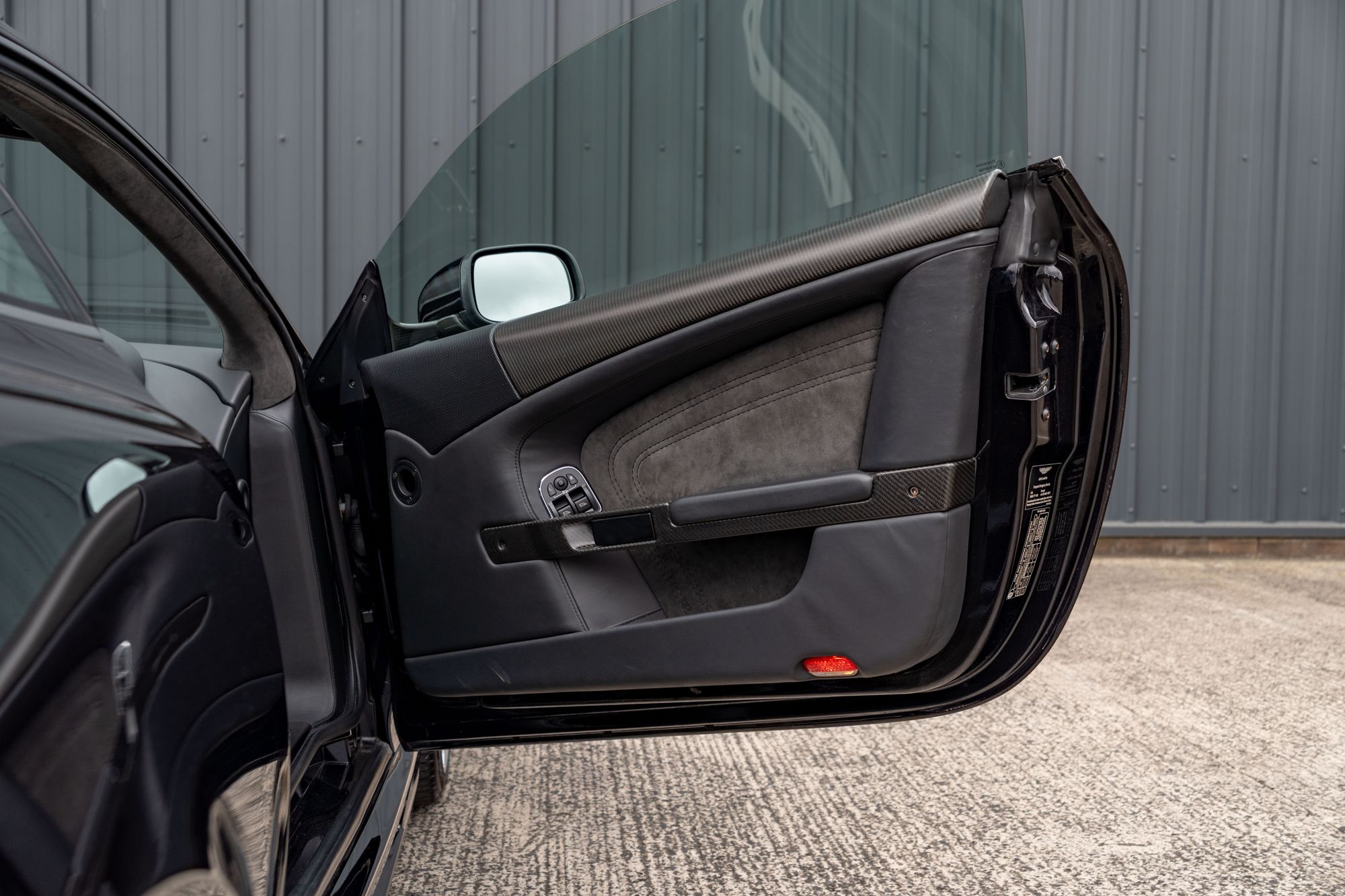
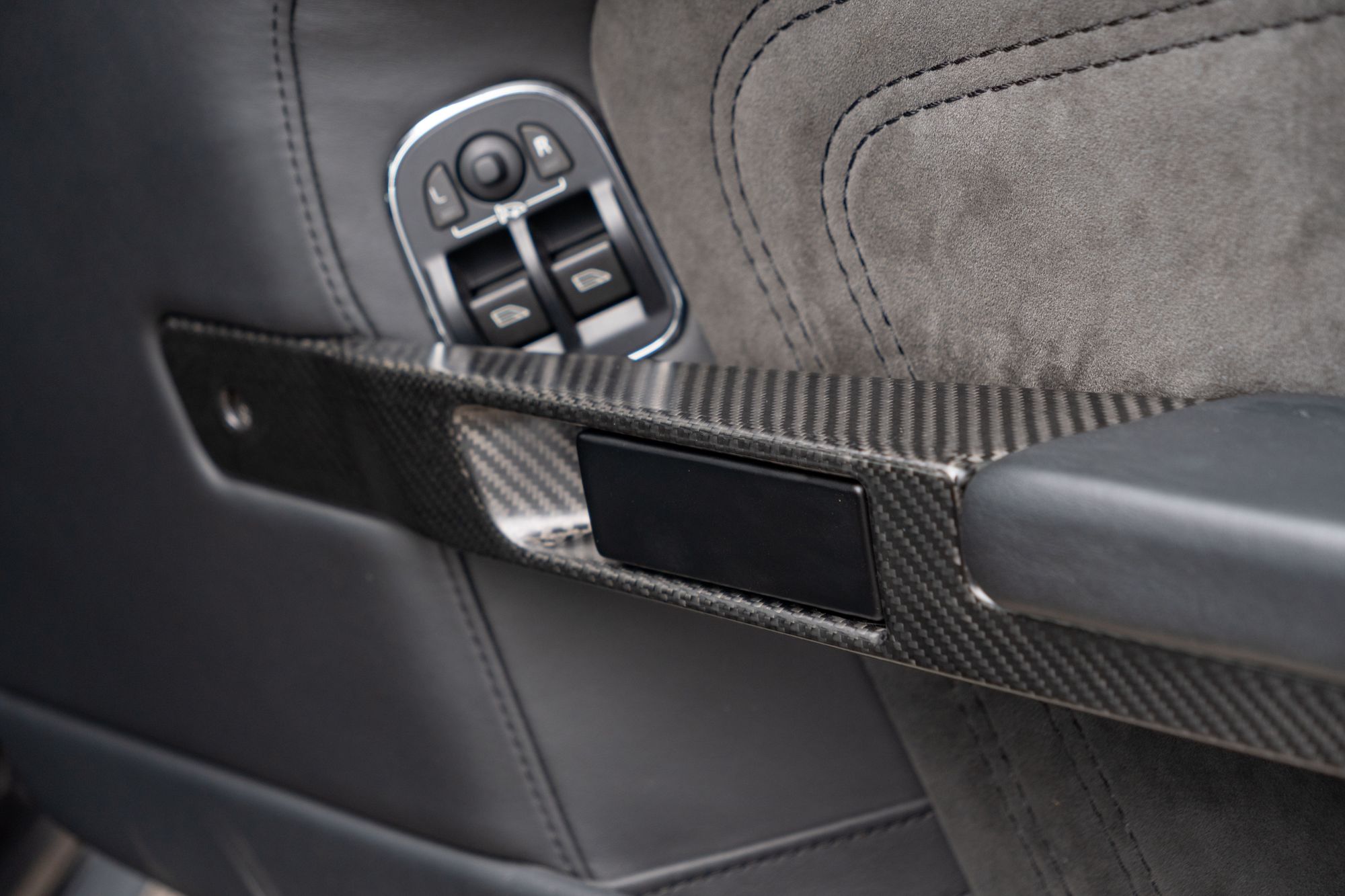
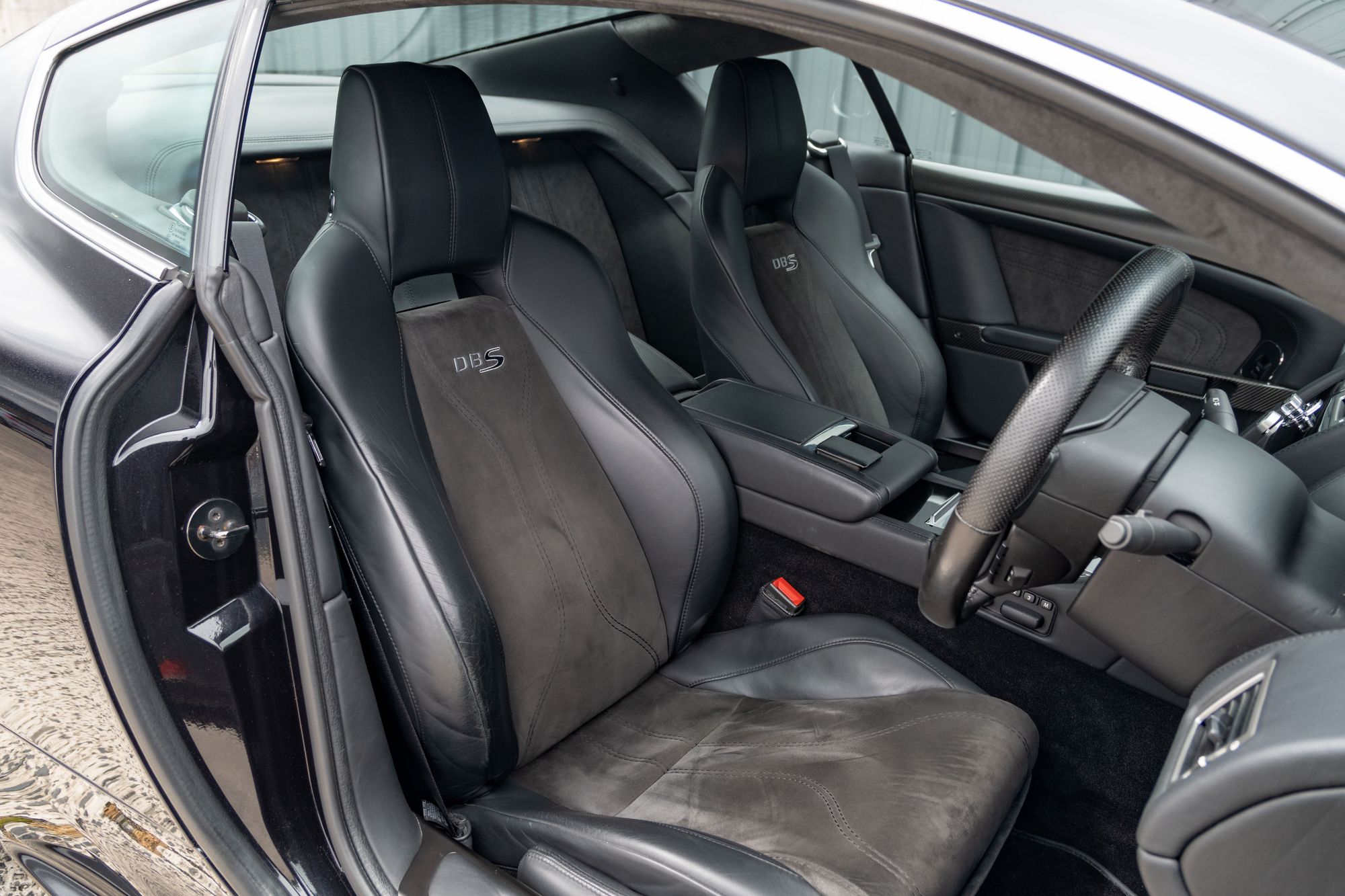
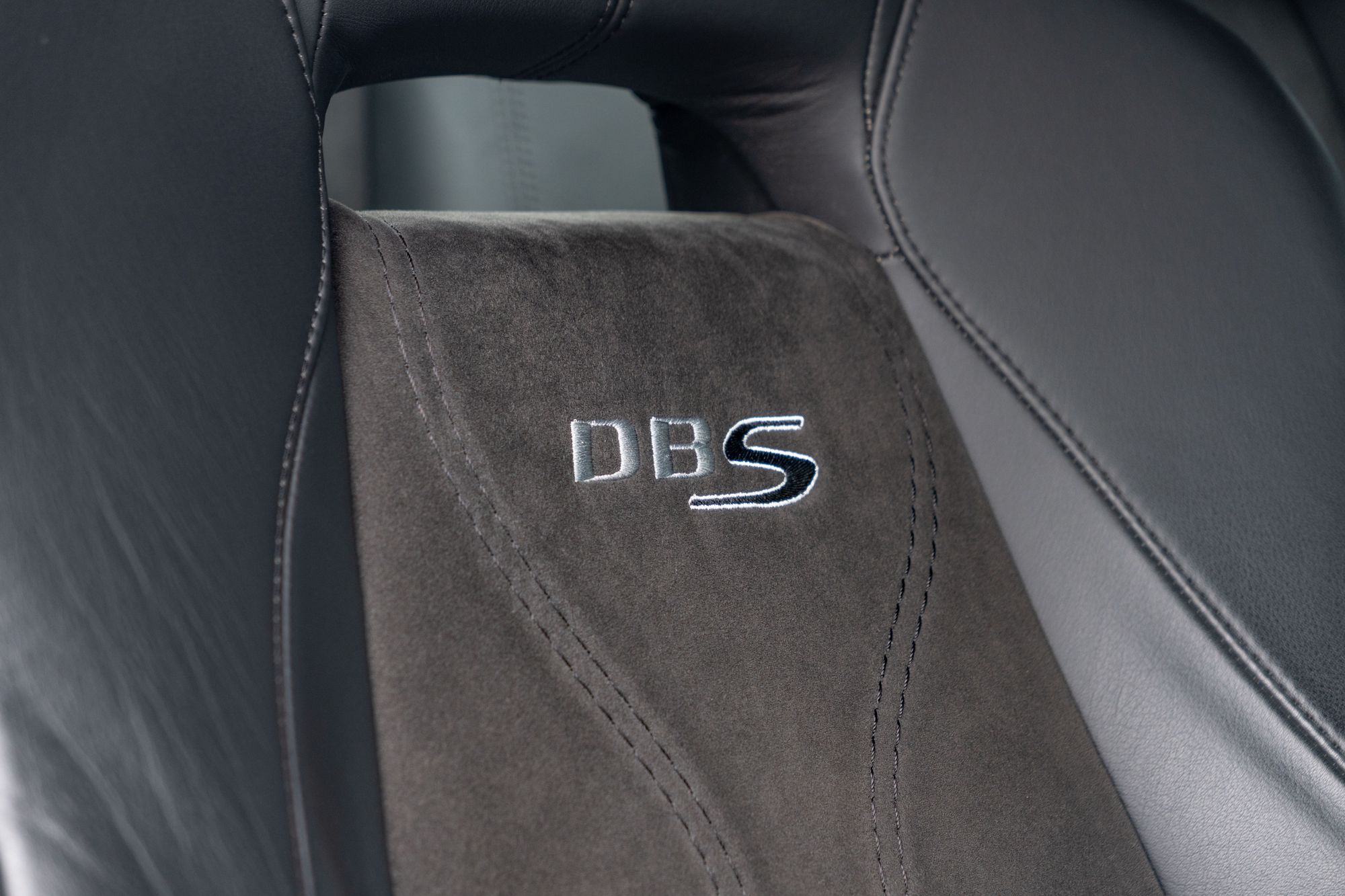
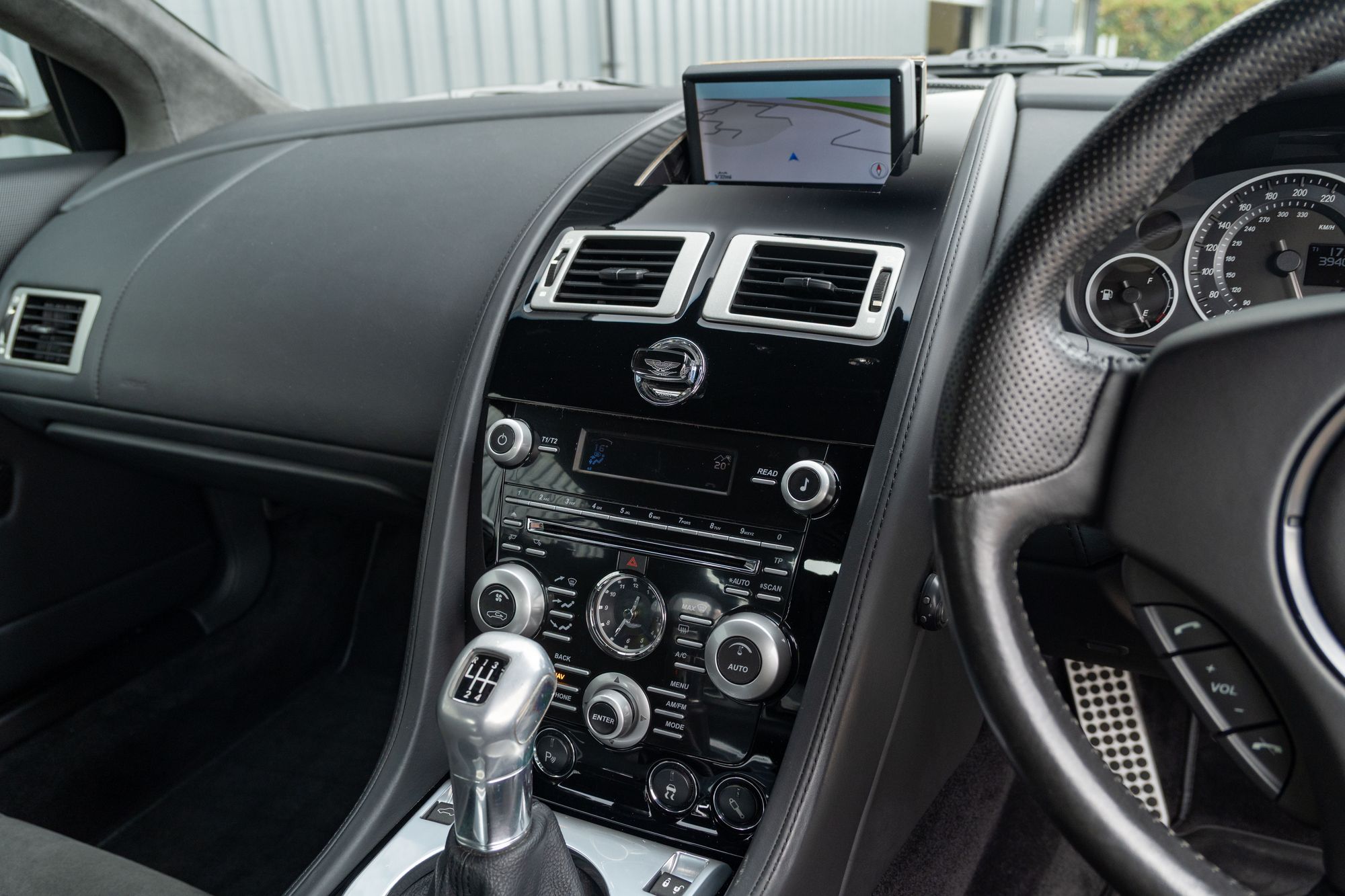
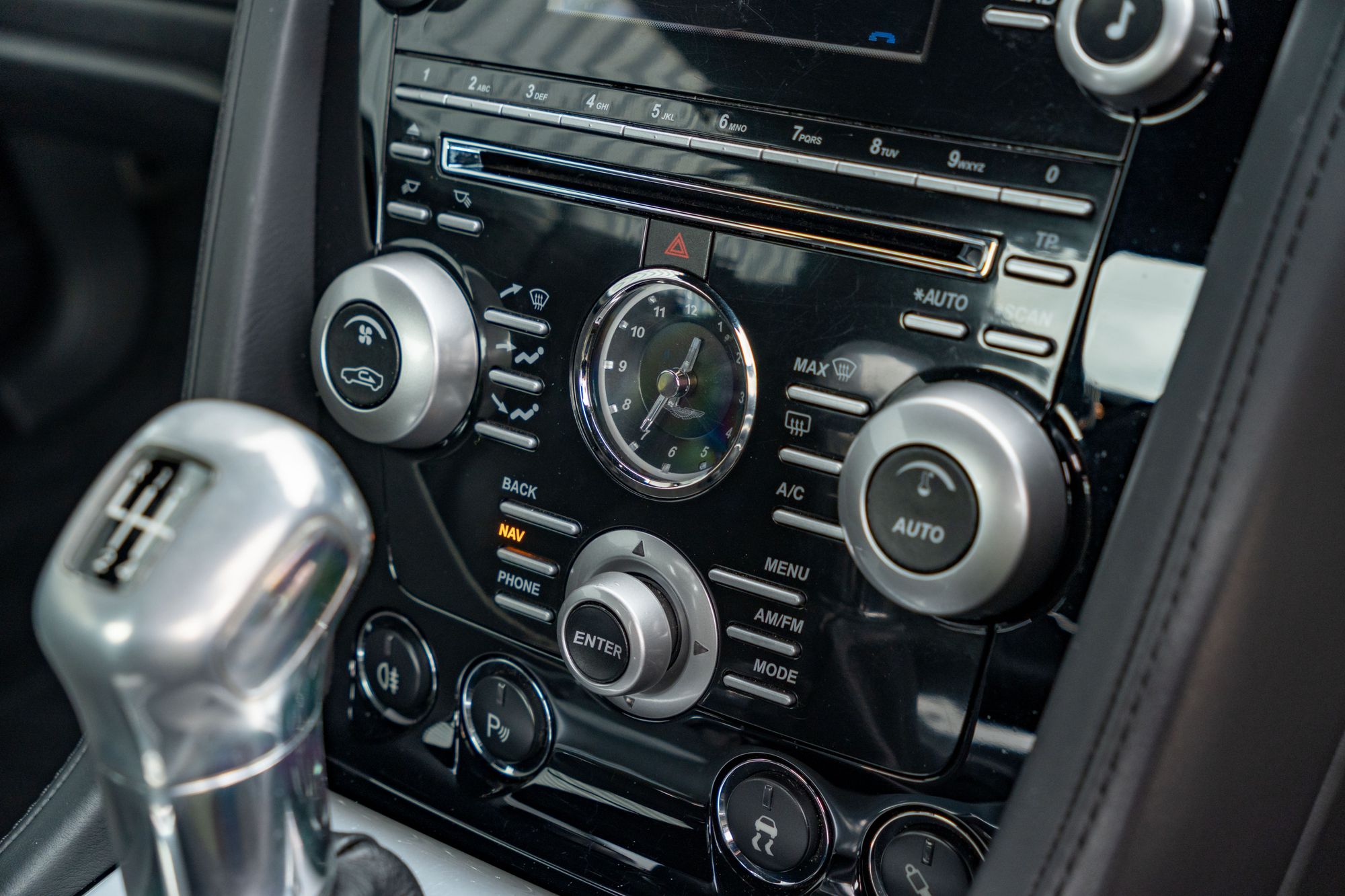
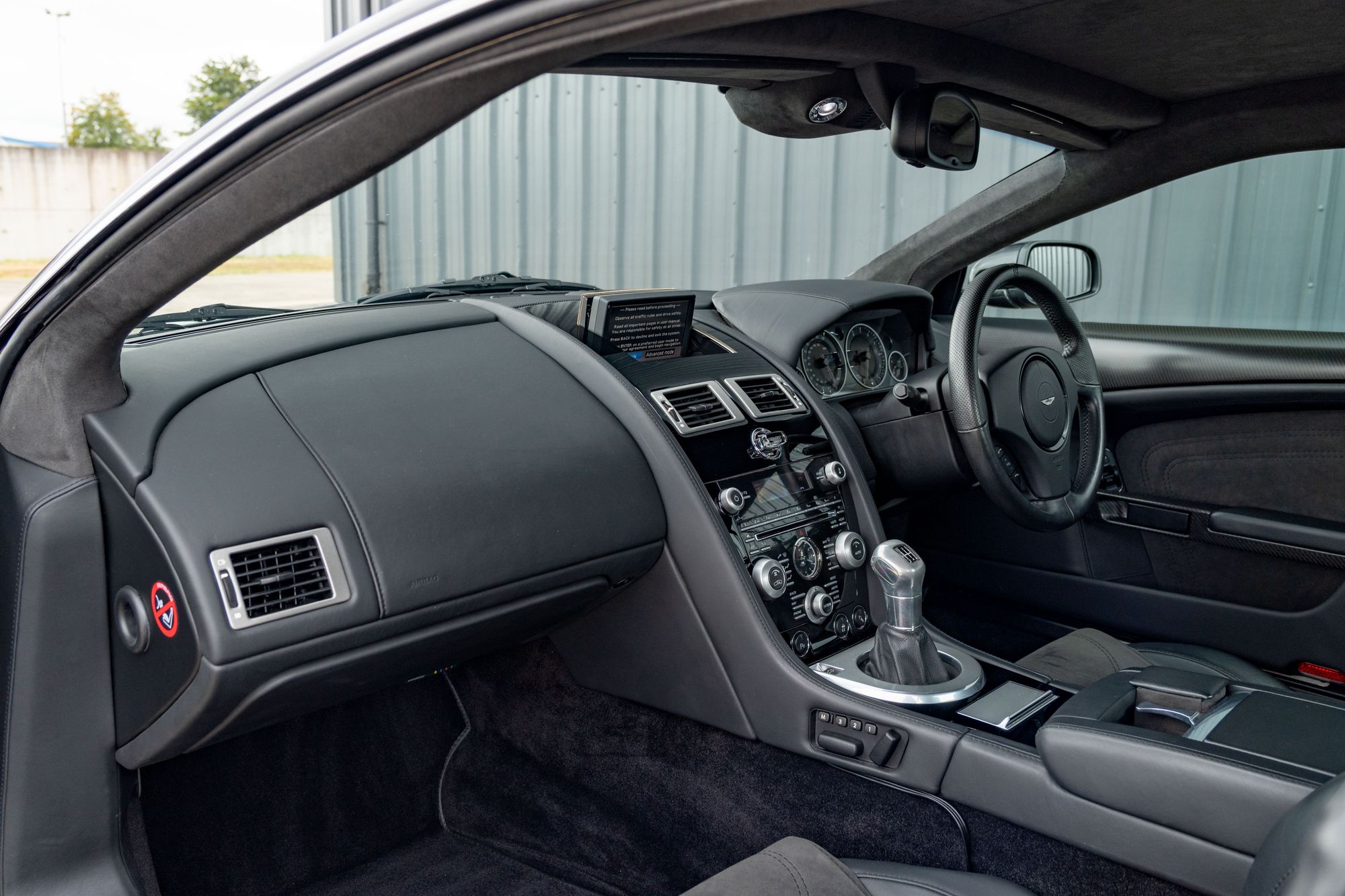
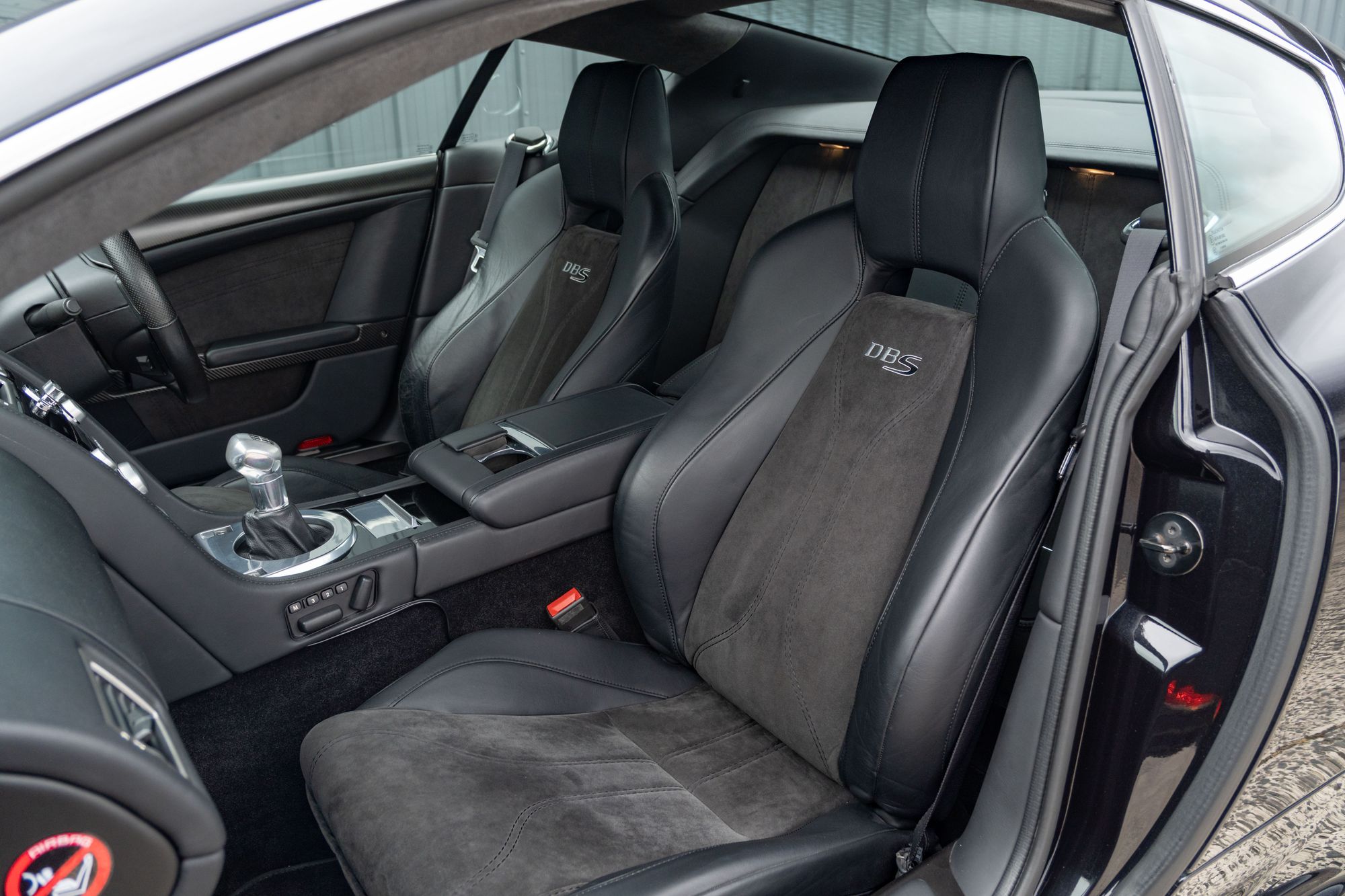
Inside, the DBS combines traditional Aston Martin materials and craftsmanship with a driver-focused environment. Leather, Alcantara and carbon-fibre trim feature throughout, while the low seating position and substantial centre console reinforce the car's sporting character. At the same time, the DBS retained the equipment and refinement expected of a flagship Aston Martin, making it suitable for both long-distance touring and more demanding driving.
The DBS was also notable for its role in Aston Martin's broader product development. It followed the DB9 but sat above it in the range, providing a higher-performance alternative without moving away from the front-engined, rear-wheel-drive grand touring formula that had become central to the marque.
The 2009 DBS therefore represents a significant period in Aston Martin's modern history. Its combination of a naturally aspirated V12, six-speed manual transmission, carbon-fibre construction and carbon-ceramic braking reflects an approach to performance that has become increasingly uncommon.
With its combination of performance, materials, craftsmanship and distinctive design, the DBS remains a particularly focused interpretation of Aston Martin's contemporary grand touring philosophy, offering the character of a traditional naturally aspirated V12 sports car with the refinement and usability expected from the marque.